
Lion's ear
Leonotis nepetifolia
Description
Sowing dates
Leonotis nepetifolia is a vigorous annual or short-lived perennial that requires a long growing season to reach its full potential. For successful cultivation, seeds should be started indoors approximately six to eight weeks before the last expected frost date.
The seeds are small and require light for germination; therefore, they should be surface-sown and barely covered with a thin layer of fine vermiculite or soil. Maintaining a temperature of 21–24°C is crucial for optimal germination rates.
Once the seedlings develop two sets of true leaves, they should be transplanted into larger individual containers to avoid root disturbance. Hardening off the plants before transferring them to their permanent outdoor location is essential for acclimation.
Spacing is a critical factor for this species, as it can grow quite tall, sometimes reaching two meters. Planting them at intervals of 60–90 cm allows for proper airflow, reducing the risk of humidity-related foliage diseases.
Direct sowing in warmer climates can be done once the soil has warmed up thoroughly. Ensure the bed is free of weeds during the early establishment phase, as the young plants are susceptible to competition.
Growing requirements
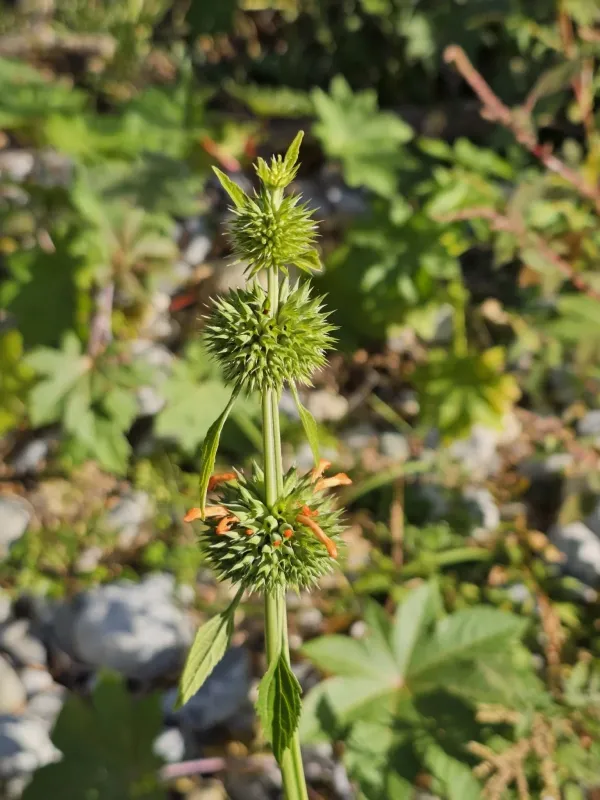
Belonging to the Lamiaceae family, the Lion's ear is native to tropical Africa and thrives in environments that mimic its natural habitat. It demands full sun exposure to produce its iconic orange, globe-shaped flower clusters.
The plant is highly adaptable to various soil types, provided they are well-drained. Sandy or rocky soils are often preferred, as they prevent the waterlogging that can lead to root rot in heavier, clay-based mediums.
While mature plants exhibit a high tolerance for drought, consistent moisture during the initial growth stages ensures more robust development. Mulching around the base can help retain soil moisture and suppress weed growth.
Nutritional requirements are moderate. Over-fertilization with nitrogenous compounds often leads to excessive vegetative growth at the expense of floral development, so a balanced, slow-release fertilizer is recommended.
The species is sensitive to frost. In regions where temperatures drop significantly, the plant should be treated strictly as an annual or overwintered in a greenhouse environment if growth is to be sustained.
Main diseases and pests
Spider mites are the most common pest problem, especially in dry and hot conditions. They thrive on the underside of leaves, causing yellowing and webbing.
Aphids can also cluster on the rapidly growing terminal shoots. Regular inspection of the growing tips is advised to manage infestations before they become severe.
Fungal issues, such as powdery mildew, may occur if the plants are crowded or if there is poor air circulation. Improving spacing usually resolves these issues without the need for chemicals.
Root rot is typically an indicator of poor soil drainage or excessive watering. Ensuring that the substrate dries out slightly between irrigation sessions is the best preventative measure.
Utilizing horticultural oils or insecticidal soaps is effective for managing minor pest outbreaks while preserving the health of the broader ecosystem in the garden.