
Lesser calamint
Clinopodium nepeta
Description
Sowing dates
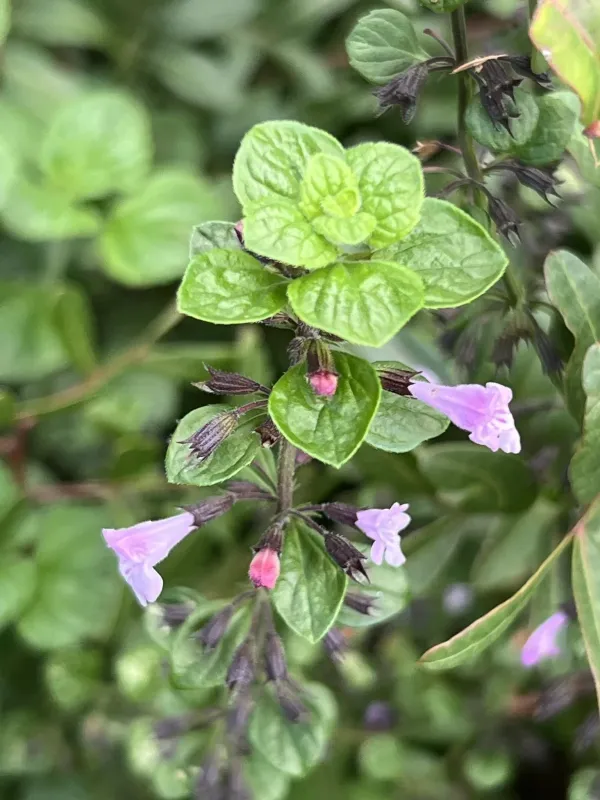
Lesser calamint (Clinopodium nepeta) is a fragrant, perennial herb belonging to the Lamiaceae family. It is highly valued for its minty, oregano-like aroma and its long blooming period, making it a favorite for both ornamental and culinary gardens.
Sowing should take place in early spring once the danger of frost has passed and the soil has warmed up. For direct sowing, distribute the small seeds on a prepared seedbed, pressing them lightly into the soil as they require light to germinate effectively.
Starting seeds indoors in late winter or early spring is recommended for better control over the initial growth stages. Seedlings can be transplanted outdoors after the last frost, ensuring they are hardened off gradually to adapt to outdoor conditions.
When planting, maintain a spacing of at least 30 to 40 centimeters between individual plants. This spacing is crucial to ensure good air circulation, which prevents fungal diseases and allows the plant to develop into a healthy, dense mound.
Keep the soil consistently moist but not waterlogged during the germination phase. Once the seedlings are established, they become more tolerant of varying moisture levels, but initial care is vital for a robust start.
Growing requirements
Lesser calamint thrives in full sun, which is essential for maximizing the production of its essential oils. Although it can tolerate partial shade, plants grown in brighter locations will be more compact and significantly more aromatic.
This plant prefers well-drained, slightly alkaline or neutral soil. It is remarkably drought-tolerant once established, making it suitable for rock gardens, dry borders, or xeriscaping projects where water conservation is a priority.
Poorly drained or heavy clay soils should be amended with sand or organic matter to improve aeration. The roots of Clinopodium nepeta are sensitive to waterlogging, which can lead to rapid decay if drainage is not managed correctly.
Routine care involves weeding around the base of the plant to eliminate competition. The plant is generally low-maintenance, requiring little more than occasional trimming to maintain its tidy appearance throughout the growing season.
Fertilizer application should be light and infrequent. Over-fertilizing, especially with nitrogen-rich compounds, promotes excessive leafy growth at the expense of oil concentration and can cause the plant to become "leggy" or prone to disease.
Main diseases and pests
Lesser calamint is naturally robust and possesses strong antimicrobial properties that protect it from many pests. However, it can be susceptible to powdery mildew if grown in overcrowded conditions with poor air circulation.
Aphids may occasionally appear on the tender new growth during warm, dry spells. These are easily managed by manual removal or the application of insecticidal soap or neem oil if infestations become significant.
Root rot is the primary threat to this species, usually resulting from soil that remains wet for extended periods. This is best prevented by ensuring the planting site is elevated or adequately amended for drainage.
Spider mites can become an issue in extreme heat, particularly if the plant is drought-stressed. Regular watering to maintain plant health and misting the foliage during high heat can help keep mite populations under control.
To keep the plant disease-free, avoid overhead watering late in the day, as moist foliage overnight encourages fungal spore germination. Proper spacing remains the most effective defense against most common garden pathogens.
Harvesting
Harvesting is best performed during the peak flowering period when the plant's essential oil content is highest. Cutting the flowering stems early in the morning, after the dew has evaporated, preserves the best aromatic quality.
Use sharp garden shears to trim the upper third of the stems. This light pruning encourages the plant to produce a second flush of flowers later in the season and prevents it from becoming too woody or sprawling.
Dry the harvested stems in bunches by hanging them upside down in a shaded, well-ventilated area. Protect the drying herbs from direct sunlight, which degrades the volatile oils and causes the color to fade rapidly.
Once completely dry, strip the leaves and flowers from the woody stems and store them in airtight containers. Keep the jars in a cool, dark place to maintain the potency of the herb for culinary or medicinal use for up to a year.
Regular harvesting acts as a form of pruning that keeps the plant healthy and vigorous. A mature, well-tended clump of lesser calamint can provide a steady supply of fresh herbs throughout the summer and a bountiful harvest for storage.