
Leonotis intermedia
Leonotis intermedia
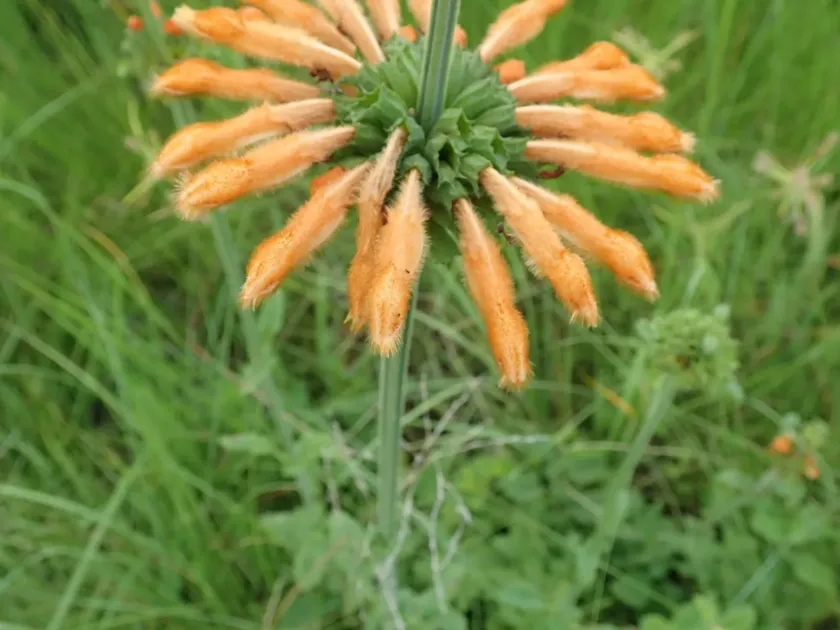
Description
Sowing dates
Leonotis intermedia, belonging to the Lamiaceae family, requires a warm start for successful development. In temperate climates, seeds are sown indoors in late winter or early spring to ensure the plants are robust enough before the final frost passes.
When sowing in trays, use a well-draining, sterile seed starting mix. Seeds should be covered lightly with a thin layer of substrate and kept at a temperature of approximately 20–22 degrees Celsius to ensure optimal germination rates.
Once the threat of frost is gone, seedlings should be hardened off before transplanting them to the garden. This process helps the plants adjust to outdoor temperatures and prevents transplant shock which can stunt their initial growth.
Planting in the garden requires proper spacing, ideally 40–50 centimeters apart. Proper spacing is essential for air circulation, which helps reduce the humidity around the base of the plant, thus preventing fungal diseases.
Applying a light application of rooting hormone or growth stimulator during the transplantation process can help establish a strong root system, which is vital for the plant to withstand summer heat and bloom effectively.
Growing requirements
The plant thrives in locations with full sun exposure. Choosing a site that receives at least six to eight hours of direct sunlight per day is crucial for the development of the characteristic orange flower heads.
Soil quality should be light, sandy, or loamy, and above all, well-draining. Leonotis intermedia is highly susceptible to root damage if left in waterlogged conditions, making soil texture a primary consideration for growers.
Irrigation must be managed carefully. While the plant is drought-tolerant once established, supplemental watering during prolonged dry spells is beneficial for sustaining flower production throughout the growing season.
Nutrient management involves using a balanced fertilizer during the early vegetative stage. Avoiding high-nitrogen fertilizers is recommended, as excess nitrogen promotes foliage growth at the expense of floral development.
Site selection should also consider shelter from strong prevailing winds. While the stems are generally sturdy, heavy storms can cause lodging in older or mature plants, so staking might be required in exposed areas.
Main diseases and pests
Aphids and spider mites are the most common pests encountered when growing this species. Regular monitoring, especially under the leaves and on terminal buds, is necessary to catch infestations before they cause significant damage.
Powdery mildew is a common fungal threat, typically appearing during periods of high humidity or poor airflow. Using fungicides and ensuring correct spacing between plants are the primary methods of prevention.
Root rot is almost exclusively associated with improper soil drainage or over-irrigation. Ensuring the soil has adequate porosity and that excess water can escape is the most effective preventative measure.
Integrated pest management strategies should be employed to maintain plant health. This includes removing dead organic matter from around the base and encouraging beneficial insects that predate on common garden pests.
- Regular inspection for pest colonies
- Proper disposal of infected plant material
- Installation of drip irrigation systems