
Leonotis leonurus
Leonotis leonurus
Description
Sowing dates
The propagation of Leonotis leonurus is primarily performed through seeds, which should be sown in trays under glass in late winter or early spring for optimal germination.
Seeds require light for germination and should be sown on the surface of a light, well-draining potting medium, lightly pressed but not covered with deep soil layers.
Maintain an ambient temperature between 20°C and 25°C, ensuring the medium remains consistently moist without becoming waterlogged, as seeds are sensitive to dampening off.
Once seedlings have developed at least two sets of true leaves, they should be transplanted into individual pots to avoid competition and promote a strong root architecture.
Hardening off is essential before transplanting the crop outdoors, as the plants need gradual acclimation to direct sunlight and fluctuating environmental temperatures.
Growing requirements
Leonotis leonurus, a member of the Lamiaceae family, flourishes in full sun and requires at least six to eight hours of direct light daily for successful development.
The species prefers light, sandy, or loamy soil with excellent drainage; alkaline to slightly acidic soil pH levels are generally considered the most beneficial for nutrient uptake.
Watering requirements are moderate; while established plants show high drought tolerance, supplemental irrigation is recommended during flowering to ensure maximum bloom density.
The plant performs best in a climate that mimics its native South African habitat, characterized by warm, frost-free growing seasons and low humidity levels.
In colder regions, it is often cultivated as an annual or container plant to protect the root system from the damaging effects of soil freezing during winter months.
Main diseases and pests
The most significant threats to Leonotis leonurus include spider mites and aphids, which frequently infest plants during periods of high heat and low atmospheric moisture.
Root rot, caused by overwatering or poorly drained soil, is the most common pathological issue, leading to rapid decline and chlorosis in the foliage of the plant.
Powdery mildew can emerge in overcrowded conditions or environments with poor air circulation, necessitating the use of systemic fungicides or organic horticultural oils.
Soil-borne nematodes can pose a problem in intensive cultivation areas, requiring strict adherence to crop rotation practices to mitigate long-term soil health decline.
Monitoring the plants regularly is vital for early detection, and removing infected tissue immediately can help prevent the spread of diseases within a plantation.
Harvesting
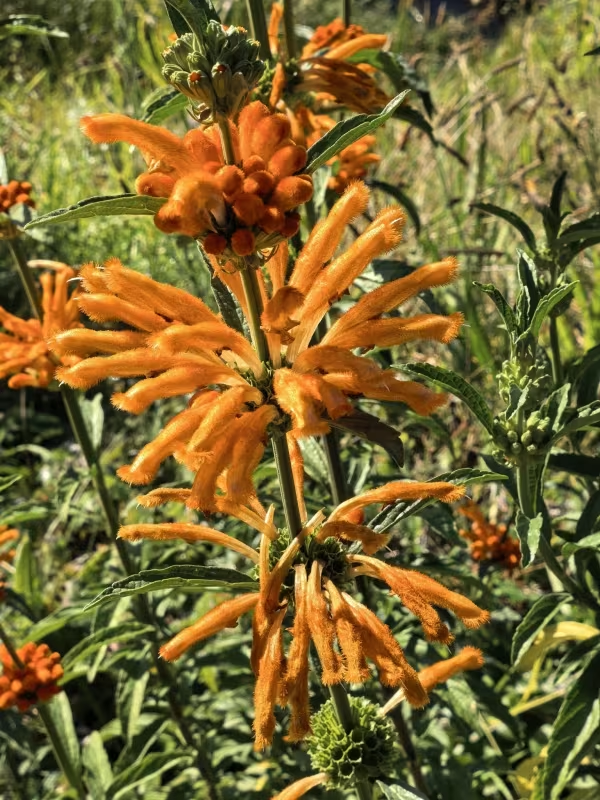
Harvesting the flowering spikes occurs when the bright orange tubular blooms are fully open, which typically coincides with the peak of the flowering season in late summer.
Stems should be cut using sanitized shears early in the morning to retain the integrity of the essential oils and prevent dehydration of the harvested plant material.
The material should be dried in a dark, cool, and well-ventilated area, avoiding direct sunlight which causes the degradation of the plant's natural pigments and alkaloids.
Bundles of Leonotis leonurus should be hung upside down or laid flat on drying racks, ensuring adequate air movement between the stalks to prevent mold development.
Properly cured and dried material must be stored in airtight containers away from humidity and heat to ensure that the botanical characteristics are preserved until utilization.