
Leonotis mollis
Leonotis mollis
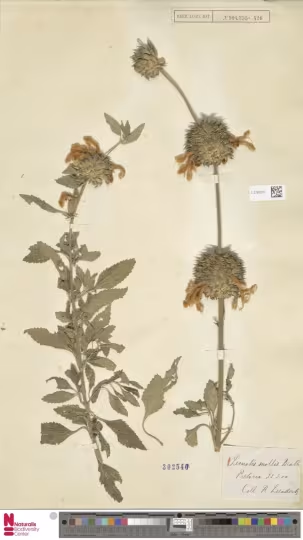
Description
Sowing dates
Leonotis mollis is typically sown in spring once the danger of frost has completely passed. It thrives best when started in a protected environment or nursery before being transplanted outdoors.
Seeds should be sown in a light, well-draining potting medium at a depth of approximately 0.5 centimeters. Consistent moisture and a temperature range of 20-22 degrees Celsius are ideal for successful germination.
Seedlings require plenty of bright, indirect light to develop sturdy stems. Once they reach the stage of having two true leaves, they should be hardened off before moving to their permanent location.
When sowing directly into the ground, ensure the area has optimal sun exposure. Space plants at least 45 centimeters apart to provide sufficient air circulation, which prevents fungal issues later in the season.
Early sowing is beneficial in regions with shorter growing seasons to ensure the plant reaches its full ornamental maturity before the onset of autumn cooling.
Growing requirements
As a member of the Lamiaceae family, Leonotis mollis prefers a sunny environment. Originating from Southern Africa, it is highly adapted to bright light and warm, temperate climates.
Soil requirements include excellent drainage to avoid waterlogging, which the plant is highly sensitive to. Sandy loam soils amended with organic matter provide the best results for vigorous growth.
Watering should be moderate, allowing the soil to partially dry out between irrigation sessions. This mimics the plant's natural habitat and helps prevent root rot in heavier soil types.
Fertilization with a balanced, slow-release fertilizer during the active growing phase supports consistent flowering. Avoid excessive nitrogen, which promotes lush foliage but can reduce flower production.
In colder climates, the plant should be treated as an annual or overwintered in a frost-free greenhouse, as it cannot withstand freezing temperatures during the winter months.
Main diseases and pests
Aphids are common pests that colonize the tender young growth of Leonotis mollis. Early identification and the use of insecticidal soap can effectively manage populations without harming the plant.
Powdery mildew is a common fungal disease, especially in conditions with high humidity and poor air circulation. Providing adequate spacing and sunlight is the best preventative measure.
Spider mites can become an issue during prolonged hot and dry periods. Regularly misting the foliage or ensuring optimal irrigation can help mitigate the risk of infestation.
Root rot is primarily caused by poor drainage or overwatering. Using a well-draining substrate and ensuring the planting hole does not collect water are essential agronomic practices.
Regular monitoring of the underside of leaves for pests and signs of discoloration is recommended to maintain plant health throughout the vegetative and flowering stages.
Harvesting
The harvest of floral stems for decorative use is best done when the blooms are showing their primary color but are not yet fully spent. This ensures the longest vase life after cutting.
For drying purposes, stems should be cut and hung upside down in a cool, dark, and well-ventilated area. This process preserves the structure and color of the flower heads.
Seed collection involves harvesting the brown, dry seed heads at the end of the season. Ensure the seed heads are thoroughly dried before threshing and storage to prevent fungal contamination.
Post-harvest, any diseased or dead plant debris should be removed and disposed of to prevent the carry-over of pathogens into the next growing season.
Proper field maintenance after the harvest cycle helps prepare the soil structure for subsequent crops and keeps the growing environment clean and healthy.