
Leonotis mollissima
Leonotis mollissima
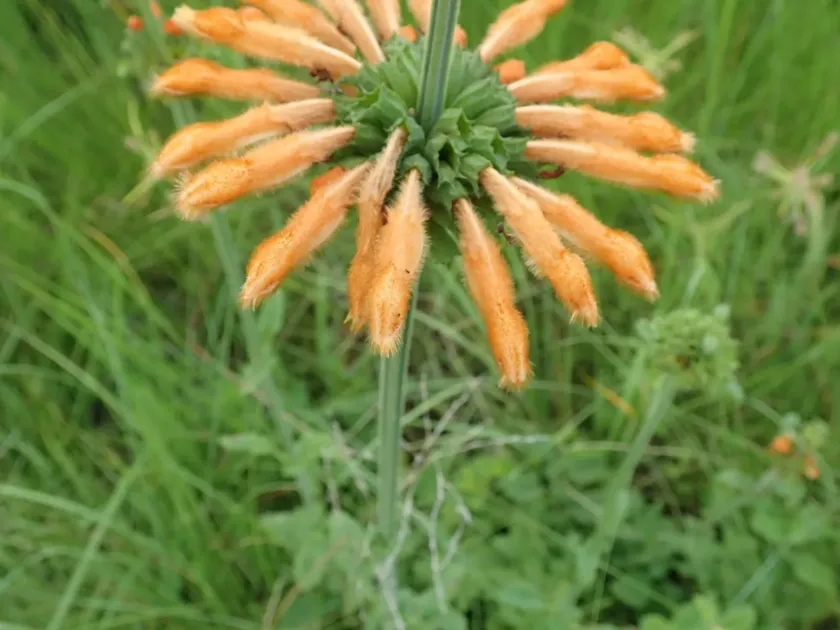
Description
Sowing dates
Sowing Leonotis mollissima seeds should be performed in early spring, ideally March or April, within a controlled greenhouse environment. Seeds need light to germinate, so they must be sown on the surface and only lightly pressed into the growing medium.
Optimal temperatures for seed germination range between 20°C and 22°C. Maintaining consistent humidity without waterlogging is essential to ensure a high germination rate within two to three weeks.
Transplanting into the open field is permissible only after the last risk of frost has passed in the spring. Plants thrive when established in a location shielded from strong, gusty winds that could break their stems.
Direct sowing in warmer regions can be achieved by preparing fine-tilled soil, free from debris and weeds. This provides a clean foundation for the seeds to develop their initial root systems effectively.
Ensure that seedlings are spaced at least 50 to 60 centimeters apart to prevent overcrowding. Proper spacing is critical to ensure airflow, which helps maintain plant vigor throughout the growing season.
Growing requirements
Leonotis mollissima is a member of the Lamiaceae family, recognized for its striking inflorescences and distinct botanical structure. This species is native to specific regions in Africa and is valued primarily for its ornamental traits.
The crop requires well-drained, fertile soil with a pH level ranging from neutral to slightly acidic. Heavy clay soils should be amended with organic matter or grit to ensure proper aeration and prevent root rot.
As a sun-loving plant, it requires full sun exposure for at least six to eight hours daily. Limited light leads to etiolated, weak stems and significantly reduced blooming, which impacts its aesthetic appeal.
Watering should be balanced, allowing the soil to dry out partially between sessions. Over-irrigation is the most common cause of failure for this species, as it is relatively drought-tolerant once fully established.
Fertilization with a balanced, low-nitrogen formula is recommended during the bud formation stage. Nitrogen-heavy fertilizers should be avoided as they promote foliage growth at the expense of floral development.
Main diseases and pests
Common pests affecting Leonotis mollissima include spider mites and aphids, which are particularly prevalent in dry conditions or poorly ventilated indoor environments. These insects can quickly colonize young foliage.
Fungal diseases, especially powdery mildew, represent a significant threat in high-humidity or densely planted areas. Symptoms appear as a white, dusty layer on the leaf surfaces, necessitating prompt fungicide treatment.
Root rot caused by Phytophthora or other water-borne pathogens is a severe risk in stagnant water conditions. The most effective management strategy is to ensure strict adherence to proper irrigation protocols.
Biological controls and targeted insecticides can be used to manage infestations if detected early. Regular monitoring of the underside of leaves is recommended to identify pest presence before it spreads.
Sanitation practices, such as removing dead plant material and keeping the surrounding area free of weeds, contribute significantly to preventing the spread of common soil-borne pathogens and pests.