
Leonotis nepetaefolia
Leonotis nepetaefolia
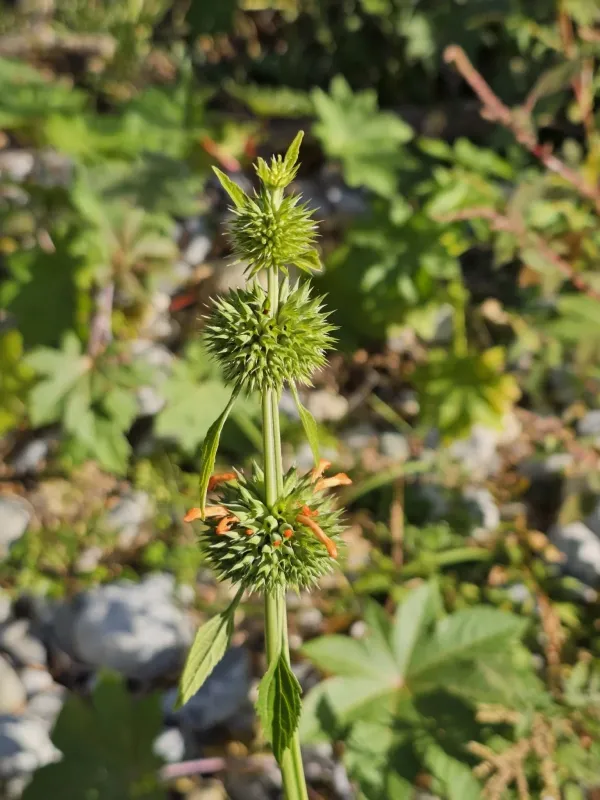
Description
Sowing dates
Leonotis nepetaefolia is a tender annual that requires a long, warm growing season. In temperate climates, seeds should be started indoors in late winter or early spring, about 6 to 8 weeks before the last frost date, to ensure maturity before autumn.
Seeds should be sown in a high-quality, well-draining seed-starting mix, barely covered, as they require light to germinate. Maintaining a consistent temperature of 21–24 degrees Celsius is crucial for successful and uniform germination within two weeks.
Once the danger of frost has passed and the soil has warmed significantly, seedlings can be hardened off and transplanted into the field. Spacing should be approximately 50–60 cm apart to allow for vigorous growth and adequate air circulation between the plants.
Direct seeding in the field is only recommended in frost-free, subtropical, or tropical zones where the season is long enough for the plant to reach its full flowering stage. In these regions, seeds can be sown directly into prepared, weed-free soil.
Proper irrigation immediately after transplanting is essential to establish the root system. As the plants develop, they become more resilient, but early moisture management is key to preventing transplant shock and ensuring a steady growth rate.
Growing requirements
Belonging to the Lamiaceae family, Leonotis nepetaefolia thrives in full sun exposure. It is native to tropical Africa, meaning it requires high light intensity to promote sturdy stems and the formation of its characteristic orange, globe-like flower clusters.
The ideal soil for this crop is loose, fertile, and well-draining, with a pH ranging from neutral to slightly acidic. Heavy clay soils that retain excess moisture should be amended with organic matter or gravel to improve drainage and prevent root rot.
While the plant exhibits moderate drought tolerance once established, consistent soil moisture during the vegetative phase is necessary for maximum biomass production. Excessive nitrogen application should be avoided as it leads to rank foliage growth at the expense of flower production.
The plant performs best in warm to hot temperatures, ideally between 20 and 30 degrees Celsius. It is highly sensitive to cold; even light frosts can severely damage or kill the plants, necessitating careful site selection in northern regions.
Regular cultivation of the soil surface between rows helps suppress weed growth and improves aeration. As the plants grow quite tall, reaching up to 2 meters in some environments, wind protection is beneficial to prevent stem breakage.
Main diseases and pests
Aphids and spider mites are the most common pests affecting this crop, particularly in hot, dry conditions or during greenhouse production. Regular monitoring of the foliage, especially the undersides of leaves, is vital for early detection and management.
Fungal diseases, such as root rot, can occur if the soil remains constantly waterlogged. Proper drainage and adhering to a strict irrigation schedule are the primary cultural methods for preventing these soil-borne pathogens.
Powdery mildew may develop on the foliage, appearing as white patches, especially when humidity is high and airflow is restricted. Improving spacing between plants and using preventive organic fungicides can effectively manage this issue.
Whiteflies can also cause issues in enclosed environments. Utilizing sticky traps or beneficial insects such as lacewings can help maintain pest populations below the economic injury level without excessive chemical intervention.
Field hygiene is essential; removing plant debris after the harvest helps break the life cycle of various pests and pathogens. Rotating the crop location each season is also a best practice to maintain soil health and reduce disease pressure.
Harvesting
Harvesting for medicinal or floral purposes should take place when the flower clusters are fully open and vibrant. This is the stage when the concentration of essential oils and other secondary metabolites is at its peak.
Stems should be cut cleanly using sharp, sanitized tools. Cutting slightly above a leaf node may encourage secondary branching and potentially a second, smaller harvest, depending on the length of the remaining growing season.
Drying the material properly is critical to preserving quality. It should be dried in a well-ventilated, dark area to prevent the loss of essential oils and discoloration from UV exposure. Drying temperatures should remain below 40 degrees Celsius.
Once thoroughly dried, the material must be stored in airtight containers away from direct sunlight, moisture, and heat. Properly stored, the botanical material can maintain its potency and aroma for several months.
If harvesting for seeds, allow the flower heads to fully brown and dry on the stem before collection. Seeds should be threshed, cleaned of chaff, and stored in a cool, dry environment until the next planting season.