
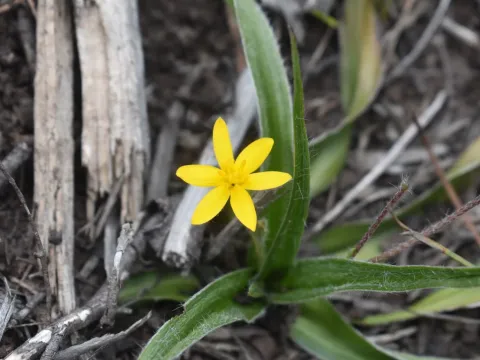
Hypoxis setosa
Hypoxis setosa
Hypoxis setosa, a member of the Hypoxidaceae family, is a perennial herbaceous plant native to the grassland regions of Southern Africa. Its morphological structure is adapted to seasonal variations in water availability, featuring underground corms that store critical energy reserves.
What the section contains
Hypoxis setosa
The plant is characterized by its linear, bristly leaves that form a basal rosette. These leaves have evolved to survive in high-sunlight environments, making the species relatively hardy once established in a suitable agricultural environment.
Climate requirements for this crop focus on warm, frost-free growing seasons. Ideally, temperatures should remain consistently above 18°C throughout the vegetative cycle. Proper site selection must ensure exposure to full sunlight to facilitate maximum biomass production.
Regarding soil, Hypoxis setosa thrives in well-draining, sandy-loam environments. It is essential to avoid heavy, clay-based soils that retain moisture, as these conditions significantly increase the likelihood of corm rot during the dormant or growing phase.
The commercial utility of this crop is primarily driven by the pharmaceutical sector. Extracts derived from the rhizomes are researched for their potential therapeutic benefits, leading to an increasing interest in the standardized cultivation of the species.
The most significant threat to Hypoxis setosa production is soil-borne fungal pathogens, particularly those that cause rot in the corms. Prevention through strict drainage management and soil aeration is the most effective defense strategy for farmers.
Pest pressure typically involves soil insects that feed on the succulent corm tissue. Integrated pest management, including crop rotation and the use of targeted biological controls, is recommended to protect the integrity of the root system.
Foliage-feeding insects can occasionally affect crop vigor by reducing photosynthetic efficiency. Early detection through regular field scouting allows for targeted interventions that minimize the need for broad-spectrum chemical applications.
Weed management is critical during the establishment phase. As the plant grows slowly, it can easily be outcompeted by aggressive weeds, requiring manual or light mechanical weeding to ensure the crop has sufficient access to soil nutrients.
Environmental stress, such as extreme humidity combined with high temperatures, may favor the rapid spread of diseases. Implementing proper spacing between individual plants helps improve air circulation and significantly reduces the risk of epidemic outbreaks.