
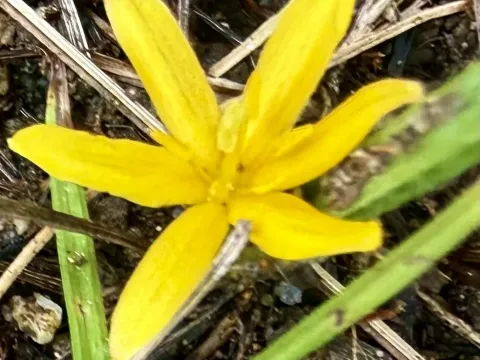
Curculigo
Curculigo
Curculigo is a genus of perennial herbaceous flowering plants belonging to the family Hypoxidaceae. Naturally occurring in tropical and subtropical regions across Asia, Africa, and Australia, these plants thrive in humid forest understories and shaded environments.
What the section contains
 Curculigo crassifolia
Curculigo crassifolia
Curculigo crassifolia
 Curculigo latifolia
Curculigo latifolia
Curculigo latifolia
 Curculigo orchioides
Curculigo orchioides
Curculigo orchioides
 Curculigo pilosa
Curculigo prainiana
Curculigo prainiana
Curculigo racemosa
Curculigo racemosa
Curculigo pilosa
Curculigo pilosa
Curculigo prainiana
Curculigo prainiana
Curculigo racemosa
Curculigo racemosa
 Curculigo seychellensis
Curculigo seychellensis
Curculigo seychellensis
 Palm grass
Curculigo capitulata
Palm grass
Curculigo capitulata
Curculigo
The plant is botanically distinguished by its tuberous or fleshy rhizome and a basal rosette of plicate, lanceolate leaves. This root system acts as a crucial storage organ, allowing the plant to sustain itself during short-term dry spells common in its native habitat.
Climatic requirements demand a consistently warm environment, ideally between 18°C and 25°C. As a tropical crop, Curculigo is highly susceptible to frost; therefore, cultivation outside its native range is limited to greenhouses or indoor climate-controlled facilities.
Soil management for Curculigo focuses on high organic matter content and excellent aeration. A well-draining, loose potting mix, typically consisting of peat, leaf mold, and perlite, is essential to prevent root asphyxiation and promote vigorous growth.
Agronomic practices involve maintaining high ambient humidity and moderate irrigation. While the plant loves water, it is strictly intolerant to waterlogging; therefore, containers must have sufficient drainage holes and the substrate should dry slightly between watering sessions.
Root rot, primarily caused by fungal pathogens in the soil, remains the most significant threat to Curculigo health. This usually stems from poor drainage or overwatering, which creates anaerobic conditions that rapidly compromise the plant's delicate root system.
Common pests include spider mites and mealybugs, which are particularly problematic in protected cultivation environments. These pests feed on the sap of the leaves and stems, often leaving behind sticky residues that can lead to secondary fungal issues.
Integrated pest management strategies should prioritize mechanical control, such as wiping leaves with water or mild soap solutions, and biological controls to minimize the need for harsh synthetic chemicals.
Regular sanitation of the greenhouse and sterilization of gardening tools are mandatory to prevent the spread of soil-borne pathogens. If chemical interventions are required, systemic fungicides or horticultural oils must be applied during the early stages of infestation.
Proper plant nutrition plays a vital role in disease resistance. Using balanced, slow-release fertilizers during the active growing season helps the plant maintain structural integrity and reduces the likelihood of susceptibility to various environmental stressors.