
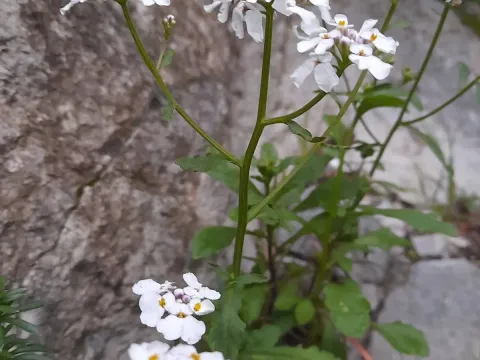
Iberis crenata
Iberis crenata
Sowing Iberis crenata is best performed in early spring as soon as the soil reaches a temperature of 10-12 degrees Celsius. Seeds are typically sown at a depth of 0.5 cm, ensuring they are not covered too deeply to maintain optimal light exposure for germination.
What the section contains
Iberis crenata
Indoor propagation can be initiated in late winter using biodegradable containers to minimize root disturbance during the eventual transplanting phase. Keeping the growing medium moist but not waterlogged is essential for a high germination rate.
When sowing directly into the field, spacing should be approximately 20-25 cm between rows to ensure proper airflow and light penetration. Thinning out the seedlings after they reach the two-leaf stage helps in selecting the strongest plants for maturity.
Autumn sowing is feasible in milder climates where the seeds can overwinter and germinate early in the spring. This method often results in plants with stronger root systems and earlier flowering cycles compared to spring-sown crops.
For large-scale cultivation, automated seeding equipment is recommended to maintain a consistent density across the field, which is critical for maximizing both the quality and visual appeal of the blooming flowers.
Iberis crenata, a member of the Brassicaceae family, thrives in full sun and well-drained soil. It is highly sensitive to soil compaction and waterlogging, necessitating the use of light, sandy, or rocky soil compositions for optimal health.
The plant demonstrates a remarkable tolerance for dry conditions, yet it requires supplemental irrigation during extended drought periods, particularly while the flower buds are developing. Maintaining a neutral or slightly alkaline pH is beneficial for nutrient uptake.
Minimal fertilization is required; a light application of low-nitrogen, high-phosphorus fertilizer in early spring can promote better blooming. Excessive nitrogen use should be avoided as it stimulates vegetative growth at the expense of floral development.
The plant requires an open, airy location to prevent the accumulation of humidity within its foliage, which is essential to mitigate the risk of fungal infections throughout the growing season.
Regular maintenance, such as removing spent flowers, helps keep the plant compact and encourages a second flush of blooms, maximizing the ornamental or commercial value of the crop.
The most common disease affecting Iberis crenata is root rot, frequently caused by excess moisture or poor soil drainage. Prevention involves careful water management and using soil additives like gravel or perlite to improve aeration.
Powdery mildew is a prevalent issue during periods of high humidity and poor circulation. Implementing a wide spacing strategy and applying systemic fungicides can effectively manage and prevent the spread of the disease.
Crucifer flea beetles are the primary insect threat, known for creating small, shot-like holes in the foliage. Early detection and the application of appropriate insecticides are crucial to prevent widespread damage to the crop.
Aphids may infest the young, tender shoots, causing stunted growth and distorted floral structures. Using organic soaps or targeted aphid-specific sprays allows for control without disrupting the local beneficial insect population.
Crop rotation is a vital agronomic practice for Iberis crenata to break the lifecycle of soil-borne pests and pathogens, especially when planting in areas previously occupied by other Brassicaceae family members.