
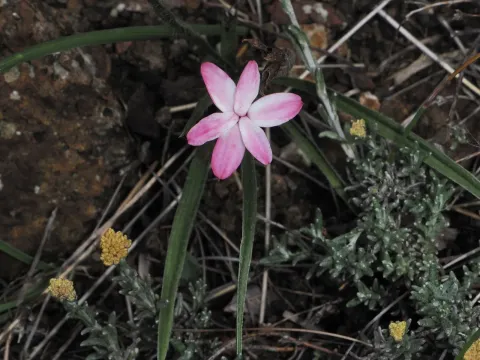
Hypoxis baurii
Hypoxis baurii
Hypoxis baurii is a perennial herb belonging to the Hypoxidaceae family. Native to the grasslands of South Africa, this species is well-adapted to specific regional climates characterized by distinct wet and dry seasons, which dictate its vegetative cycle.
What the section contains
Hypoxis baurii
Botanically, the plant is distinguished by a deep-seated corm (tuberous bulb) that functions as a crucial storage organ for nutrients. The foliage consists of narrow, lanceolate leaves that are typically pubescent, providing a protective layer against environmental stressors and excessive transpiration.
Agricultural success with Hypoxis baurii requires well-drained, porous soils that mimic the natural sandy or loamy habitat of the species. Proper drainage is essential, as waterlogging is a primary cause of mortality for this tuberous plant, especially during dormant phases.
The plant thrives under full sunlight, necessitating an open location to ensure vigorous growth and optimal physiological development. In non-native climates, protection from frost and severe temperature fluctuations is mandatory, usually achieved through greenhouse cultivation or controlled indoor environments.
From an economic perspective, the species is valued for its pharmacological potential. It contains active phytochemicals, specifically phytosterols, which are in demand for the production of health supplements and medicinal applications, driving interest in its standardized cultivation.
The primary agricultural threats to Hypoxis baurii involve root and corm rot induced by fungal pathogens such as Fusarium species. These diseases are almost exclusively linked to improper irrigation management and stagnant moisture in the substrate.
Pests such as spider mites and thrips pose significant risks, particularly in greenhouse production where ambient air can become excessively dry. These insects feed on the leaf tissues, leading to reduced photosynthetic capacity and overall stunted growth if not addressed promptly.
Nematode infestations represent a chronic threat that can devastate root systems, particularly in large-scale nursery production. Managing this requires strict crop rotation practices and the use of sterile, high-quality soil substrates to prevent soil-borne contagion.
Dormancy-related risks include the development of molds if the storage environment lacks proper aeration. Ensuring a consistent, cool, and dry airflow is critical to maintaining the health of the corms during the period when the plant is not actively growing.
Effective management strategies include the implementation of integrated pest management (IPM) protocols. Utilizing targeted biological treatments and maintaining optimal mineral nutrition levels helps to bolster the plant's natural resistance against common agricultural stressors.