
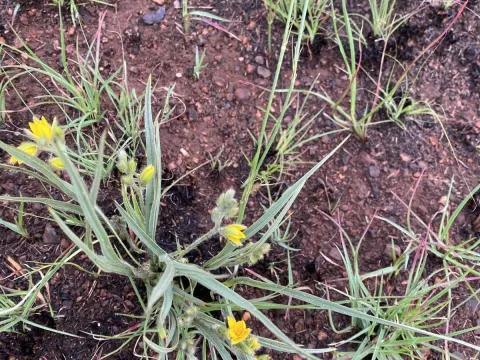
Hypoxis rigidula
Hypoxis rigidula
Sowing Hypoxis rigidula requires careful preparation of the seeds, as they benefit significantly from a stratification process that mirrors the natural seasonal cycles.
What the section contains
Hypoxis rigidula
The seeds should be sown in a well-draining, lightweight soil mix at a shallow depth, ensuring they are not buried too deeply to allow for adequate oxygen exchange.
For large-scale cultivation, propagation via rhizome division is often preferred, as it ensures genetic consistency and provides a faster growth rate compared to seed propagation.
Spring is the ideal time for planting, provided that the soil temperature has reached a stable level to encourage robust root system establishment before the peak heat of summer.
Consistent moisture levels are critical during the germination stage, though overwatering must be avoided to prevent the seeds from succumbing to fungal pathogens prematurely.
Hypoxis rigidula is a perennial member of the Hypoxidaceae family, native to the diverse and often challenging environments of South Africa, where it has adapted to specific climatic conditions.
The plant thrives in full sun or light shade and requires soils with excellent drainage, typically sandy or gritty textures, to mimic its natural, well-aerated growing habitats.
Watering requirements are moderate, with the plant displaying significant drought tolerance once established, thanks to its specialized, energy-storing rhizome structure.
Soil pH should remain neutral to slightly acidic, as this range optimizes the uptake of essential nutrients necessary for both vegetative growth and the development of bright, star-shaped flowers.
Proper aeration around the base of the plant is vital; therefore, mulching should be minimal or absent to prevent the accumulation of moisture near the crown, which could lead to rot.
Fungal issues, specifically root rot, are the most significant threats to Hypoxis rigidula, usually stemming from poor drainage or inconsistent irrigation practices that lead to waterlogged soil.
Pests like spider mites and aphids may become a problem during periods of heat stress, necessitating integrated pest management strategies to protect the plant's foliage.
Regular monitoring of the soil moisture and plant health is the best preventative measure against the rapid spread of soil-borne pathogens that thrive in damp, stagnant environments.
In cases of significant infestation or disease, targeted systemic fungicides or mild insecticides may be applied, following strict safety protocols to ensure plant longevity.
Maintaining a clean growing area by removing decaying plant matter helps to reduce the risk of secondary infections and keeps the plantation healthy throughout the growing season.