
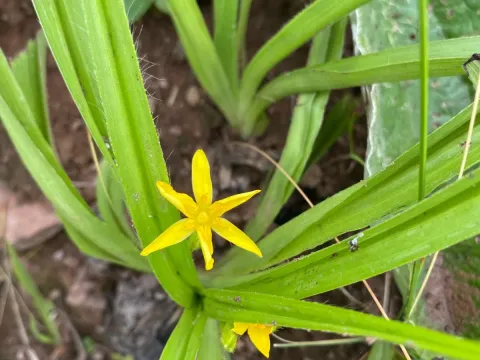
Hypoxis angustifolia
Hypoxis angustifolia
Hypoxis angustifolia is a perennial herbaceous plant belonging to the Hypoxidaceae family. It is characterized by its narrow, grass-like leaves and small, bright yellow star-shaped flowers that emerge from a subterranean corm.
What the section contains
Hypoxis angustifolia
The plant originates from tropical and southern Africa, where it thrives in grasslands and rocky outcrops. It requires a growing environment with high light exposure and soil that provides excellent drainage to prevent rotting of the root system.
Regarding soil requirements, Hypoxis angustifolia prefers slightly acidic to neutral soil types, rich in organic matter. Sandy or loamy soils are ideal, as they facilitate the oxygenation of the corm while ensuring water passes through easily during heavy rains.
Climate conditions are crucial for successful yield. While the plant can tolerate short dry spells, it needs consistent moisture during the active growth stage. It is sensitive to frost, and in temperate zones, the corms should be protected or moved indoors.
Economically, this species is valued in traditional medicine for its phytosterols. It is increasingly studied for potential applications in producing supplements that support prostate health and provide anti-inflammatory benefits.
The primary threats to this crop include fungal infections such as Pythium or Fusarium, which typically arise in waterlogged, compacted soils. Proper field sanitation and irrigation control are essential management practices.
Insects such as mealybugs or root-feeding larvae can damage the corms. Regular scouting and, if necessary, the application of biological control agents can mitigate the risks of infestation and maintain overall plant health.