
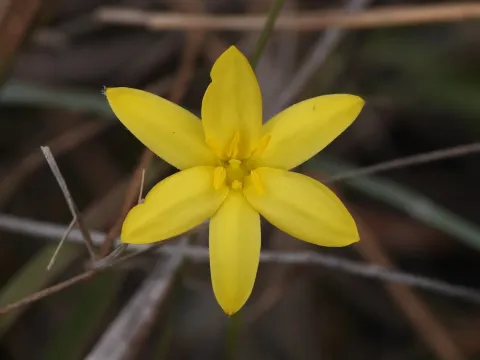
Hypoxis
Hypoxis L.
Hypoxis is a genus of perennial herbaceous plants belonging to the Hypoxidaceae family, widely known for its significant medicinal properties. These plants are characterized by the presence of corms or rhizomes, which function as energy storage organs during harsh weather conditions.
What the section contains
Hypoxis
The natural habitat of the genus includes various regions of Southern Africa, parts of Asia, and the Americas. The crop thrives in environments with high light intensity and requires well-drained soil, preferably sandy or loamy textures with a neutral to slightly acidic pH balance.
Climatic requirements for Hypoxis include moderate to warm temperatures. While the plants exhibit some drought tolerance due to their underground storage organs, consistent moisture levels during the growing season are essential to maximize biomass and rhizome quality for commercial harvest.
Cultivation typically involves propagation through the division of mature corms. Proper spacing is crucial to ensure adequate airflow and prevent the development of root issues. Soil preparation should include the incorporation of organic amendments to boost nutrient content without disrupting the drainage properties.
In professional agriculture, maintaining optimal soil aeration is a top priority. The crop does not tolerate waterlogging, as excessive moisture often leads to rapid decay of the corms. Therefore, land selection for Hypoxis cultivation must account for natural drainage or the installation of supplemental drainage systems.
The primary threats to Hypoxis cultivation are fungal diseases such as root rot and leaf spot, which are frequently triggered by high humidity and inadequate soil drainage. These pathogens can rapidly compromise the health of the entire crop if not addressed with strict sanitation measures.
Soil-borne pests, particularly nematodes, present a significant risk to the integrity of the corms. Effective management requires rigorous field preparation, including the use of certified disease-free planting material and the implementation of crop rotation strategies to disrupt pest life cycles.
Weed competition is a major concern, especially during the slow establishment phase of the crop. Manual weeding or the application of safe, selective mulching methods are necessary to prevent nutrient and water theft by opportunistic invasive plant species in the fields.
Insects like aphids and spider mites can occasionally cause damage to the foliage, reducing the plant's overall photosynthetic efficiency. Integrated pest management (IPM) practices, involving biological control agents and scheduled monitoring, are recommended over reliance on heavy chemical interventions.
Environmental stress management is vital; sudden temperature drops or prolonged saturation of the root zone can trigger stress-related diseases. Careful monitoring of local climate data helps agronomists plan for protective measures, such as tunnel covers during unexpected cold snaps.
The harvest of Hypoxis is conducted once the plant's aerial foliage turns yellow and dies back naturally, indicating that the corms have reached their peak maturity. This timing is essential for ensuring the highest concentration of bioactive compounds, such as phytosterols.
Mechanical harvesting must be performed with precision to prevent scarring or bruising the corms. Damaged tubers are highly susceptible to post-harvest decay, which can lead to significant economic losses during storage and transport to pharmaceutical processing facilities.
Post-harvest processing involves thorough cleaning to remove soil and extraneous vegetable matter, followed by controlled drying. This step must be performed in facilities with good ventilation and precise temperature regulation to ensure the preservation of the chemical integrity of the active components.
Commercially, the plant is primarily used in the production of herbal supplements and pharmaceutical preparations. Extracts from the corms are sought after for their roles in immune system modulation, anti-inflammatory therapies, and the treatment of specific urological conditions.
Storage of the finished product requires a cool, dry environment with low humidity levels. When maintained under these conditions, the dried corms exhibit good shelf life, allowing producers to effectively supply the manufacturing market throughout the year.