
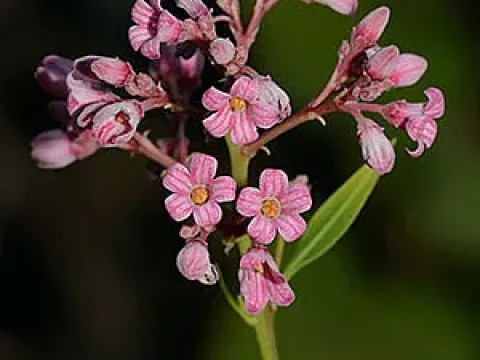
Indian hemp
Apocynum sibiricum
Indian hemp (Apocynum sibiricum) is a perennial herbaceous plant belonging to the Apocynaceae family, known primarily for its high-quality bast fiber. Planting is typically performed in early spring once soil temperatures consistently reach at least 15 degrees Celsius.
What the section contains
Indian hemp
The seeds are exceptionally small, requiring a shallow sowing depth of approximately 1.5 centimeters to ensure successful germination. Proper soil preparation, involving fine tilth, is essential for achieving adequate seed-to-soil contact.
Growth during the first year is primarily subterranean, as the plant invests energy into establishing a robust rhizome system. Weed management is critical during this period, as the seedlings are susceptible to competition before they can form a dense canopy.
Row cropping is the preferred method, with inter-row spacing of about 50 centimeters. This layout facilitates mechanical weeding and fertilization throughout the lifetime of the perennial stand, significantly increasing efficiency.
Uniformity in sowing density is vital for maximizing fiber yield. Producers should use high-quality, viable seeds to minimize patches and ensure a consistent stand that suppresses weed growth in subsequent years.
This crop thrives in full sun, requiring exposure to direct light for optimal stem development. Shade leads to weaker, less fibrous stems, which negatively impacts the mechanical properties of the harvested fiber.
Well-drained, sandy loam soils are ideal for Apocynum sibiricum. While it displays remarkable drought tolerance due to its deep root system, consistent moisture during the active growing season is necessary for maximizing biomass production.
Soil pH should ideally be neutral or slightly alkaline. In acidic soils, plant growth is noticeably stunted, which necessitates lime application prior to field establishment to optimize nutrient uptake.
The plant is highly hardy, capable of surviving harsh winters once established. However, growers must be mindful of late spring frosts, which can damage the new shoots emerging from the rhizomes, potentially delaying the growth cycle.
Nutrient management is key for commercial production. Balanced nitrogen and phosphorus fertilizers should be applied during the early vegetative phase to support vigorous stem elongation and high fiber content.
Apocynum sibiricum is generally robust, but it can be susceptible to fungal diseases such as leaf spots and root rots if the field suffers from prolonged waterlogging. Proper site selection and drainage are essential preventive strategies.
Aphids and spider mites are the most common insect pests, particularly during hot, dry weather. Regular monitoring of the foliage is recommended to trigger interventions only when economic damage thresholds are approached.
Weed interference is most problematic in the establishment phase. Chemical weed control must be handled carefully, as Indian hemp is sensitive to certain broad-spectrum herbicides, favoring integrated mechanical approaches instead.
Stem-boring insects may occasionally cause structural damage to the primary stalks. While rarely catastrophic, significant infestations can reduce fiber quality, requiring selective insecticide applications if necessary.
Maintaining proper field hygiene, including the removal of debris after harvest and preventing overcrowding, helps minimize the accumulation of pathogens and ensures long-term productivity of the perennial stand.
Harvesting for fiber is typically conducted during the full flowering stage. At this phenological phase, the stalks contain the highest concentration of high-quality, flexible, and durable bast fiber favored by the textile industry.
The plants are mown using industrial mowers and left in the field for dew retting. This biological process breaks down the pectins, allowing the fiber to be separated efficiently from the woody core (hurd).
Once retting is complete, the biomass is collected, baled, and transported to processing facilities. The moisture content of the stalks must be carefully managed to prevent decay or fungal contamination during storage.
The quality of the final fiber product is heavily influenced by weather conditions during the retting process. Controlled exposure to alternating damp and sunny periods is ideal for achieving the desired fiber characteristics.
The fiber is utilized for specialized textiles, ropes, and high-strength paper production. Furthermore, the woody residue, or hurd, serves as a valuable byproduct for sustainable construction materials or biofuel applications.