
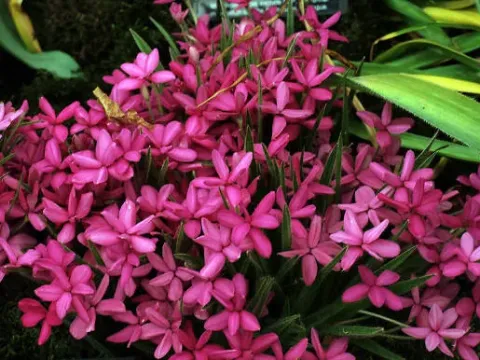
Hypoxis
Hypoxis hybrids
Hypoxis is a genus of perennial cormous plants belonging to the family Hypoxidaceae. These plants are recognized by their grass-like, hairy leaves and bright yellow star-shaped flowers that bloom in clusters or solitary on stalks.
What the section contains
Hypoxis
The plant originates primarily from the tropical and subtropical regions of Southern Africa. Due to its unique chemical profile, including the presence of sterols and glycosides, certain hybrid varieties have become important in medicinal research and niche horticulture.
Successful cultivation requires well-draining, sandy-loam soils. The plant thrives in full sun, which is essential for proper corm development and flower production. Shade or overly heavy soils often lead to stunted growth and poor vitality in these hybrids.
Climate requirements reflect the plant's native habitat, necessitating warm conditions and protection from frost. In non-tropical regions, gardeners and producers must ensure the plant is overwintered in a frost-free environment to prevent damage to the corm.
Agronomic management includes a controlled irrigation regime: moist soil during the active growing season and a dry rest period in the winter. Over-fertilization should be avoided, as the plant prefers moderate nutrient levels to maintain natural growth patterns.
The most common threats to Hypoxis include root and corm rot, which are primarily caused by excessive soil moisture and poor drainage. Ensuring high-quality aeration is the most effective preventative measure against these fungal issues.
Pests such as aphids and spider mites can occasionally affect the foliage, especially in greenhouse conditions. Integrated pest management using biological controls or mild soap solutions is recommended to preserve the medicinal quality of the plant biomass.
Harvesting of the corms is typically scheduled at the end of the dry season when the foliage has yellowed and withered. This ensures that the plant has redirected its energy reserves back into the underground organs, maximizing the potency of the desired compounds.
Post-harvest handling involves careful washing, cleaning, and rapid drying of the corms. Storage must occur in cool, dry conditions to prevent the growth of storage molds and to maintain the stability of the plant's active constituents for pharmaceutical manufacturing.