
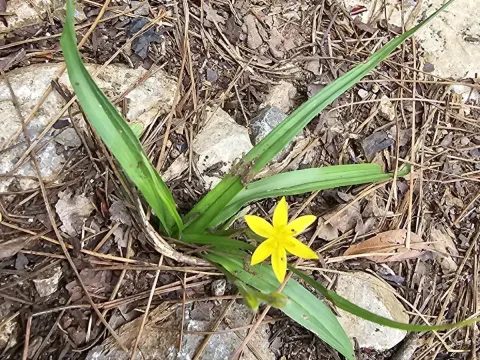
Hypoxis decumbens
Hypoxis decumbens
Sowing of Hypoxis decumbens is typically performed in the spring when soil temperatures reach a consistent 18–20 degrees Celsius.
What the section contains
Hypoxis decumbens
To ensure high germination rates, it is recommended to stratify the seeds in cool conditions for approximately two to three weeks before sowing.
The ideal time for planting is late March or early April, allowing the plant to establish itself before the peak of summer heat.
Vegetative propagation by dividing the corms during the dormant phase is also a common and efficient method for multiplying the crop.
When sowing, seeds should be placed at a shallow depth of no more than one centimeter to facilitate emergence and access to necessary light.
Hypoxis decumbens belongs to the Hypoxidaceae family and is recognized as a perennial herbaceous plant with a distinct dormant season.
Native to tropical and subtropical regions, the plant thrives in environments with bright, indirect light to prevent leaf scorching.
Soil requirements focus on excellent drainage; sandy loams or well-structured potting mixes are ideal to prevent corm rot caused by waterlogging.
The crop prefers soil pH levels in the slightly acidic to neutral range to optimize the availability of essential micronutrients.
Regular irrigation is vital during the active growing season, but it is important to reduce water intake significantly as the plant approaches dormancy.
Root and corm rot represent the most significant threats to Hypoxis decumbens, primarily caused by inadequate soil drainage or overwatering.
Spider mites are the most prevalent pests, particularly in indoor or greenhouse conditions where air humidity levels remain low for extended periods.
Fungal leaf spot diseases can appear if the plants are kept in stagnant air environments, requiring immediate attention and improved circulation.
Proper sanitation practices, including the removal of dead foliage, are essential to minimize the risk of recurring fungal infections.
Management strategies should emphasize preventive care, such as careful moisture regulation, to maintain a healthy and robust crop population.