
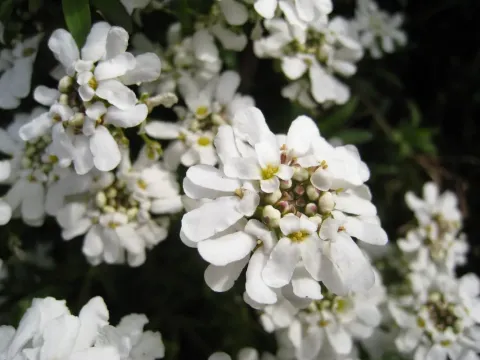
Iberis pruitii
Iberis pruitii
Sowing Iberis pruitii seeds is best performed in early spring once the ground has thawed, or as a late autumn sowing for natural winter stratification.
What the section contains
Iberis pruitii
For indoor propagation, seeds should be sown in late winter in a well-draining seed-starting mix, ensuring they are provided with bright, indirect sunlight.
The seeds require light to germinate effectively; therefore, they should not be buried deeply, but rather pressed gently into the surface of the growing medium.
Uniform spacing is essential when transplanting to the garden, as the plant tends to spread into a dense mat, requiring adequate airflow between individuals.
Germination success is significantly improved by a short period of cold stratification, which mimics the natural mountainous conditions where this species originates.
Iberis pruitii is a notable member of the Brassicaceae family, well-adapted to rocky, limestone-rich soils typically found in its natural Mediterranean range.
The plant strictly requires excellent drainage, as standing water or waterlogged conditions are highly detrimental and often lead to root rot complications.
Full sun exposure is a non-negotiable requirement for this species; in shaded environments, it loses its compact habit and fails to produce profuse flowering.
Regarding soil chemistry, the plant thrives in neutral to slightly alkaline substrates, reflecting its natural preference for calcareous, mountain-side habitats.
It displays remarkable drought tolerance once established, making it an excellent candidate for low-maintenance xeriscaping or alpine garden designs.
Fungal pathogens remain the primary concern for this crop, often manifesting as root or crown rot when environmental humidity is excessively high.
Proper sanitation and ensuring adequate air circulation around the plants are the most effective preventive measures against the development of blights.
The crucifer flea beetle is a common pest for Brassicaceae members, posing a threat to young seedlings and requiring early detection to prevent leaf damage.
Aphids may occasionally target the developing flower buds, which can be managed through gentle horticultural soaps or targeted biological control methods.
Frequent monitoring of the plant base and maintaining a slightly drier soil surface are crucial for preventing the onset of common bacterial and fungal ailments.