
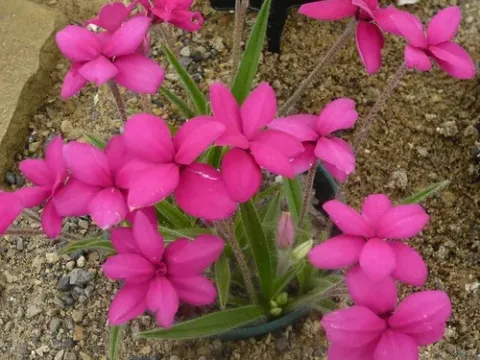
Hypoxis milloides
Hypoxis milloides
Sowing Hypoxis milloides seeds should take place in early spring under controlled conditions. Using a high-quality, well-draining seed-starting mix ensures optimal germination rates and root development.
What the section contains
Hypoxis milloides
Maintain a constant temperature of approximately 20–22 degrees Celsius to facilitate seed emergence. The soil surface should be kept consistently moist but not saturated during the initial germination phase.
Seeds should be sown at a shallow depth of about 0.5 centimeters. Providing indirect but bright light helps in strengthening the seedlings as soon as they emerge from the substrate.
Transplanting seedlings to individual pots is necessary once the first true leaves have developed. This step allows for better root monitoring and prevents competition between young plants.
When propagating via corms, plant them during the dormant period in well-prepared, sandy soil. Space them sufficiently to allow for the natural expansion of the bulbous root systems.
Hypoxis milloides, a member of the Hypoxidaceae family, is a herbaceous perennial native to African grasslands. It is highly valued for its adaptation to specific seasonal climatic patterns.
The plant thrives in full sun but tolerates partial shade. Soils should be sandy, loamy, and perfectly drained, as the plant is highly susceptible to waterlogged conditions that cause bulb rot.
Watering frequency should be adjusted according to the growth stage. While active growth requires consistent moisture, the plant needs a distinct dry period for dormancy and successful cycle completion.
Fertilization should be balanced, focusing on root health rather than rapid foliage growth. Over-fertilization with nitrogen can lead to succulent leaves that are prone to disease and pest attack.
The species is best suited for climates with mild winters and warm, well-defined growing seasons. In colder regions, container cultivation is recommended to provide protection during the dormant stage.
Root rot caused by fungal pathogens remains the primary threat to the crop. Proper soil aeration and drainage are the most effective preventative measures against these issues.
Insects like aphids and spider mites can infest the foliage, particularly in greenhouse environments with low air circulation. Integrated pest management strategies should be prioritized.
Soil-borne nematodes can significantly impact yield and overall plant vigor. Pre-planting soil testing and the use of certified healthy planting stock are essential for prevention.
Slugs and snails may feed on the emerging foliage during periods of high humidity. Barrier methods and targeted baiting are recommended to keep damage to a minimum.
Regular sanitation, including the removal of dead leaves and infected plant parts, is crucial to maintaining a healthy crop throughout the entire growing season.