
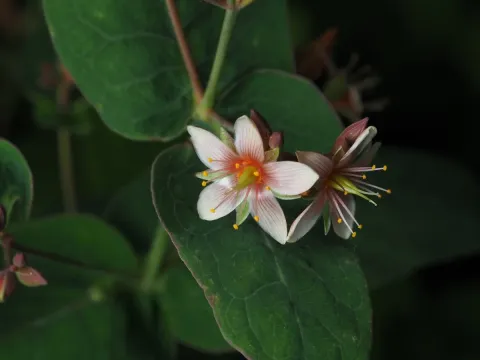
Marsh St. John's wort
Hypericum virginicum
Sowing Hypericum virginicum requires careful preparation, as the seeds have specific dormancy requirements. Stratification is recommended before planting to ensure uniform germination, especially when dealing with commercial batches of seeds that might be slow to emerge.
What the section contains
Marsh St. John's wort
The seeds should be sown either in late autumn or early spring. Surface sowing is crucial; the seeds are tiny and require exposure to light to trigger growth. Covering them with a very thin layer of fine soil or vermiculite is sufficient to protect them without inhibiting the light absorption necessary for germination.
In a field setting, rows should be spaced 50–60 cm apart to facilitate mechanical weeding and ensure proper air circulation. Maintaining clear rows during the first year is vital, as the plant is a slow grower initially and can easily be outcompeted by aggressive weeds.
Thinning the seedlings once they reach a height of 5–10 cm is standard practice. Providing each plant with 20–30 cm of space allows for optimal vegetative growth and prevents crowding, which can lead to humidity-related diseases during the later stages of development.
Effective establishment of the crop depends on consistent moisture levels during the first few weeks after sowing. Using drip irrigation or light misting systems can prevent the soil surface from crusting, which is a common barrier to the emergence of small-seeded plants like this species.
Hypericum virginicum, a member of the Hypericaceae family, is naturally adapted to moist, acidic environments, such as bogs, marshes, and damp meadows in North America. Unlike common St. John's wort species, it thrives in water-saturated soils provided they are not stagnant.
Sunlight exposure is a primary requirement for this species. While it enjoys moisture, it must have full solar exposure to produce the essential oils and secondary metabolites that make it a valuable agricultural crop. Shaded conditions lead to weak growth and poor medicinal quality.
The soil should be sandy or peaty with a low pH value. Soil acidity is a critical factor for nutrient uptake in this plant. If the local soil is neutral or alkaline, amendments such as elemental sulfur or organic acidic compost should be added well before planting to adjust the chemistry.
Climate-wise, the plant is hardy and adapted to temperate regions. It can withstand cold winters but prefers moderate summer temperatures without extreme heat spikes, which can stress the plant and reduce its ability to maintain healthy leaf development.
Maintenance involves regular monitoring of soil moisture. While it loves water, drainage must be functional to avoid root rot. A balance between moisture retention and soil aeration is the key to successful, long-term production of this specialty herb.
Fungal pathogens are the most significant threat to Marsh St. John's wort, particularly leaf spot diseases. High humidity combined with poor airflow often creates the perfect environment for these pathogens to thrive, potentially damaging the harvest quality.
Pests such as aphids and leaf-eating beetles can cause considerable damage to the foliage. Because the plant is often intended for herbal use, controlling these pests requires an integrated pest management approach that prioritizes biological controls over harsh chemical interventions.
Weed control is a constant challenge for this crop. Because the plant is not highly competitive against vigorous weeds, frequent cultivation or mulching between rows is necessary to prevent weeds from stealing nutrients and water, which the plant needs for healthy growth.
Root rot, often caused by stagnant water or excessively compacted soil, can wipe out sections of the crop. Proper bed preparation and regular checks for water accumulation are fundamental preventative steps to maintain the health of the root system.
Sanitation practices play a crucial role in preventing recurrent outbreaks. Removing infected plant parts immediately upon detection and ensuring that crop residues are cleared from the field after the season ends helps keep the pest and disease pressure low for the following year.
The harvest period for Hypericum virginicum occurs when the plants are in full bloom. This is when the concentrations of biologically active compounds are at their peak. Timing this window correctly is essential for achieving the highest market grade for the herbal product.
Mechanical harvesting involves cutting the upper 15–20 cm of the plant. It is important to leave enough foliage on the base of the plant to support photosynthesis and allow for potential regrowth or successful overwintering, depending on the management strategy.
Post-harvest processing must be efficient. The material should be spread in thin layers in a shaded, ventilated area to dry. Rapid drying at low temperatures preserves the integrity of the essential oils and prevents the loss of the characteristic color and scent.
Once dried, the plant material must be stored in a cool, dark environment. Light and heat are the primary enemies of high-quality dried herbs, leading to the rapid degradation of their medicinal properties if the storage environment is not properly controlled.
Yields can vary significantly based on the health of the soil and the precision of the harvest timing. Consistent yields require a long-term plan that includes soil nutrient replenishment and careful monitoring of the crop’s stage of development each season.