
Mysore St. John's wort
Hypericum mysurense
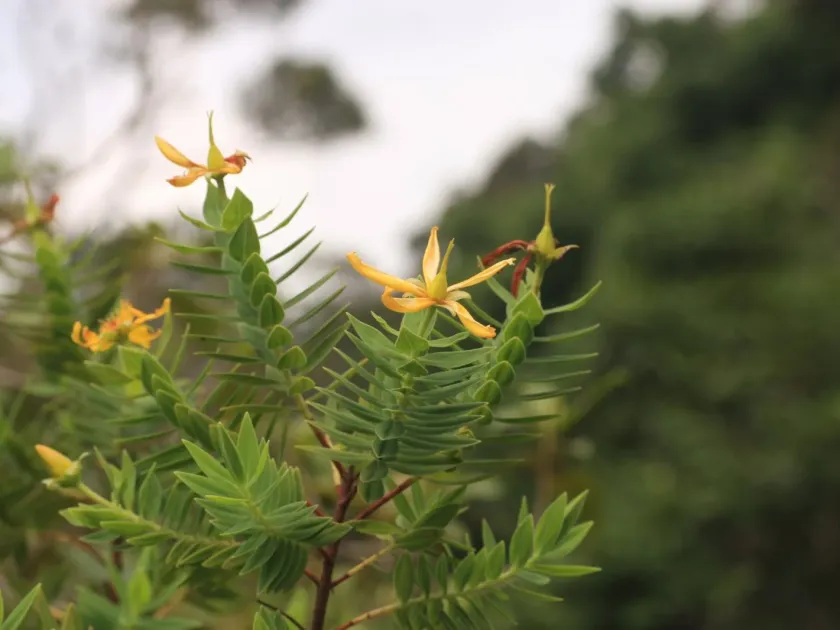
Description
Sowing dates
Mysore St. John's wort is an evergreen shrub belonging to the Hypericaceae family, native to the mountainous regions of South India. Propagation is primarily achieved through seeds or semi-hardwood cuttings during the spring season when soil temperatures are conducive to growth.
Seeds are typically sown in specialized nursery beds or greenhouses to ensure a controlled environment for initial development. Once the seedlings reach a robust stage, they are transplanted into the main field with proper spacing to allow for healthy growth.
Vegetative propagation via cuttings is favored for maintaining specific desirable traits of the mother plant. This method facilitates faster establishment compared to seed sowing and is commonly practiced in commercial cultivation setups.
The planting density is determined by the intended end-use, with rows spaced widely enough to facilitate manual or mechanical maintenance. Adequate space is crucial to allow for sufficient air circulation around the canopy of the plants.
After transplantation, irrigation is essential until the root system has fully established itself in the new soil environment. Consistent care during the early stages of growth is critical for long-term survival and productivity.
Growing requirements
This species thrives in sunny, well-lit locations and requires exposure to direct sunlight to ensure optimal development. While it can tolerate partial shade, insufficient light often results in weak stems and poor flowering.
Soil requirements include a light, well-draining substrate that avoids water retention. Stagnant moisture is highly detrimental to this species, as it often leads to root rot and other moisture-related pathologies.
Irrigation should be regular but carefully moderated, especially during the peak growing season to prevent saturated soil conditions. Ensuring the soil remains moist but not waterlogged is the key to healthy crop management.
The plant responds well to organic and balanced mineral fertilization, which supports vigorous vegetative growth and profuse flowering. Nutrient management should be tailored to the plant's growth stage to maximize biomass production.
Temperature control is essential, particularly in regions prone to frost, where protective measures or greenhouse cultivation may be necessary. The species is largely heat-loving and requires consistent warmth to thrive.
Yield
The economic yield of Mysore St. John's wort consists of its leafy branches and flowering tops, which are harvested for medicinal and ornamental purposes. Yield rates depend heavily on the age of the shrubs and the specific agricultural practices employed.
Productivity typically peaks during the third and fourth years of growth, providing a steady supply of biomass. Regular pruning helps maintain the vigor of the plant, ensuring sustained harvests over several years.
The quality of the harvest is dictated by the time of collection, with early blooming being the preferred phase for maximizing active compound content. Proper timing ensures that the harvested material meets required industry standards.
Mechanical harvesting tools can significantly improve efficiency in large-scale farms, reducing the time and labor required for manual collection. Implementing appropriate harvesting technology is vital for the economic viability of the farm.
Total yield can also be enhanced through systematic weed control, as invasive plants often compete for vital soil nutrients and moisture. Regular monitoring ensures the crop remains the primary occupant of the field.
Main diseases and pests
Root rot is the most significant threat to Mysore St. John's wort, typically resulting from poor drainage or excessive soil moisture. Preventive strategies include soil preparation and the installation of effective drainage systems.
Pests such as aphids and leaf-eating insects can cause cosmetic and physiological damage to the foliage. Integrated pest management, including regular inspections, is necessary to mitigate these risks effectively.
Powdery mildew may occur in environments with high humidity and poor airflow within the shrub clusters. Maintaining correct spacing and providing ventilation are essential strategies for preventing the spread of fungal diseases.
Invasive weeds pose a significant threat to young plantings and should be managed using mulching or manual weeding. Keeping the field clear of debris and unwanted vegetation also reduces the risk of harborages for pathogens.
Biological control agents are increasingly used to manage pests, providing an environmentally friendly alternative to chemical pesticides. This approach is highly compatible with the production of herbal products for the pharmaceutical industry.
Harvesting
Harvesting is performed during dry conditions to ensure the quality and shelf life of the collected plant material. Careful cutting of the stems ensures that the plant remains healthy and capable of future regrowth.
Post-harvest processing involves immediate drying in controlled, well-ventilated areas to prevent degradation of active components. Avoiding high-heat drying methods is crucial for maintaining the therapeutic integrity of the plant.
Once dried to the appropriate moisture content, the product must be stored in airtight containers to protect it from humidity. Proper storage conditions ensure that the medicinal properties are preserved until processing or sale.
Sanitation of the harvest area is mandatory after completion to remove plant residues that might carry spores or pathogens. A clean field environment prepares the ground for the next cycle of growth and prevents disease carryover.
The end-uses for this crop range from traditional medicine to the development of botanical cosmetics and garden landscaping. Its versatility makes it a valuable species for diverse agricultural and commercial applications.