
Platycrater
Platycrater
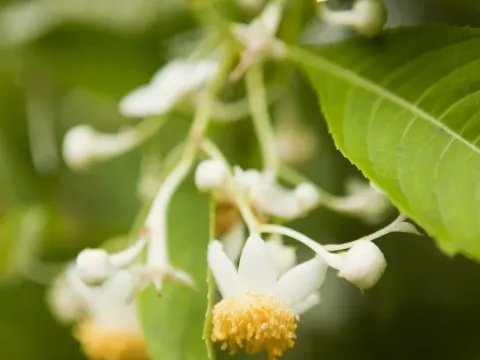
Platycrater is a monotypic genus of flowering shrubs within the Hydrangeaceae family, represented by the single species Platycrater arguta. Native to the damp, forested areas of Japan, this plant is prized for its elegant appearance and unique botanical structure.
What the section contains

Platycrater
The cultivation of this shrub requires specific soil conditions, specifically acidic, organic-rich, and well-draining substrates. Maintaining consistent soil moisture is crucial, as the plant does not tolerate prolonged drought or dry atmospheric conditions.
Regarding climate, Platycrater thrives in sheltered, shady locations. It is best suited for woodland-style gardens where it can be protected from harsh afternoon sun and cold, drying winds that could damage its foliage.
Botanically, the plant is known for its distinctive white flowers with sterile outer florets. The shrub displays a slow to moderate growth rate, maintaining a refined and compact shape that fits perfectly into small to medium garden designs.
In landscape architecture, Platycrater is used as a collector’s item or an exotic addition to shaded borders. It is highly valued for its texture and the delicate, long-lasting aesthetic appeal of its floral display during the summer months.
Fungal diseases are the primary threat to Platycrater, particularly those triggered by poor airflow and stagnant water in the root zone. Proper site selection and careful watering practices are essential for disease prevention.
Pests such as spider mites can infest the foliage during hot and dry spells. Implementing a regimen of misting or increasing ambient humidity around the plant is an effective way to manage and repel these pests naturally.
Chlorosis, manifesting as yellowing leaves between green veins, often indicates improper soil pH. Testing the soil and adjusting it towards an acidic range using appropriate soil amendments is necessary to correct this condition.
Winter injury can occur in colder climates if the plant is not properly acclimated. Providing a layer of organic mulch around the base serves to protect the root system from extreme fluctuations in temperature during the winter.
General maintenance should include the removal of dead or crossing branches to encourage healthy airflow. Always sanitize pruning shears to prevent the accidental transfer of pathogens between specimens.