
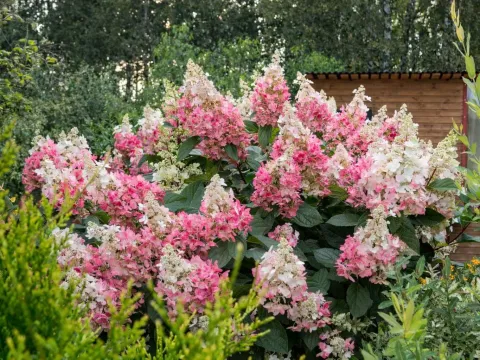
Hybrid Hydrangea
Hydrangea hybrids
The hybrid hydrangea (Hydrangea hybrids) belongs to the Hydrangeaceae family. These cultivars are selectively bred to combine the best traits of different species, such as improved bloom size, enhanced color stability, and better hardiness for various garden conditions.
What the section contains
Hybrid Hydrangea
Cultivation success relies heavily on soil conditions. These plants thrive in moist, well-draining, and acidic soils with a pH range between 5.0 and 6.0. Soil acidity is particularly important, as it directly influences the vividness and color shift of the flower sepals.
Climatic requirements involve sheltered locations with partial shade, especially in hotter regions. While hybrids are more robust than wild species, they still require protection from harsh direct afternoon sun and drying winds to maintain their succulent foliage.
Agronomic management includes frequent irrigation and the application of fertilizers formulated for acid-loving plants. Mulching is a standard practice to keep root temperatures stable and to preserve soil moisture during dry summer months.
The commercial utility of hybrid hydrangeas is significant in both the nursery industry and the fresh-cut flower market. They are valued for their impressive, long-lasting inflorescences that serve as focal points in floral arrangements and professional landscape designs.
Common plant diseases include powdery mildew, Botrytis blight, and leaf spot. These pathogens are most prevalent in humid environments with poor airflow. Maintaining plant spacing and using disease-resistant cultivars are the best preventive strategies for growers.
Major pests that impact hybrid hydrangeas include aphids, spider mites, and scale insects. If left unchecked, these pests can damage the terminal buds and foliage. Integrated Pest Management (IPM) practices, including the use of horticultural oils and specific pesticides, are recommended.