
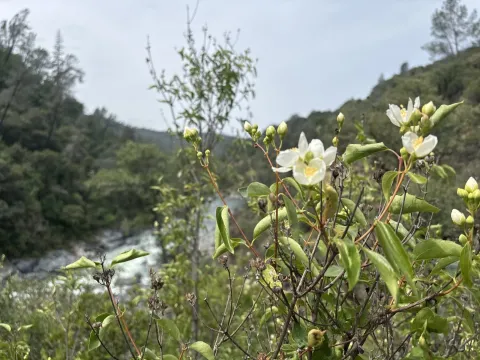
Heartleaf mock orange
Philadelphus cordifolius
Philadelphus cordifolius, commonly known as the heartleaf mock orange, is a deciduous shrub belonging to the Hydrangeaceae family. Native to western North America, it thrives in varied habitats, ranging from wooded slopes to the edges of clearings.
What the section contains
Heartleaf mock orange
This shrub requires a location with full sun to partial shade to perform optimally. While it is adaptable to various conditions, sufficient sunlight is essential to stimulate the production of its characteristic fragrant white flowers during the late spring and early summer.
Soil requirements for this species include well-draining, fertile loam with a moderate moisture level. The plant does not tolerate waterlogged soil, which can lead to root rot; therefore, site selection must prioritize areas with good drainage properties.
Agricultural management of Philadelphus cordifolius involves routine maintenance such as pruning after flowering to maintain shape and encourage new growth. Additionally, applying organic mulch around the base helps retain moisture and suppress competitive weed growth.
Economically and aesthetically, this plant is primarily valued for ornamental purposes in temperate gardens. It serves as an excellent candidate for mixed borders, privacy screens, and specimen planting, contributing to both visual appeal and local biodiversity.
Common pests affecting heartleaf mock orange include aphids, which often target the tender new growth during the spring season. Integrated pest management, including the encouragement of natural predators like ladybugs, can often control these outbreaks.
Spider mites are another notable threat, particularly during prolonged periods of hot and dry weather. Their presence is indicated by stippling on the leaves, which can be mitigated by maintaining adequate plant hydration and humidity levels.
Fungal diseases, such as leaf spot or powdery mildew, can emerge in environments with high humidity and poor air circulation. Proper spacing between individual plants is the most effective cultural practice for preventing these conditions.
Sanitation practices, such as removing fallen leaves and pruning away infected or dead twigs, are critical for minimizing the pathogen load. Maintaining a clean growing environment helps the plant remain vigorous and resistant to seasonal stresses.
If severe infestations or infections occur, targeted application of horticultural oils or fungicides may be necessary. It is important to apply these treatments during the correct phenological stage to maximize their efficacy and minimize environmental impact.