
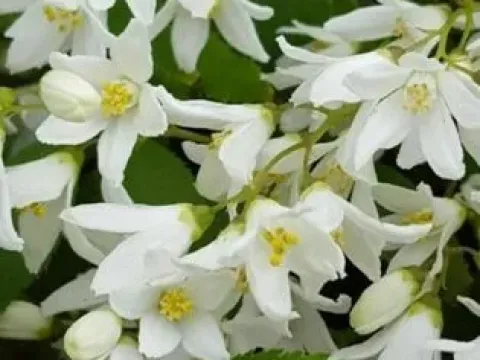
Schneider's Deutzia
Deutzia schneideriana
Schneider's Deutzia (lat. Deutzia schneideriana) is a deciduous flowering shrub belonging to the Hydrangeaceae family. It is native to the mountain regions of China, where it typically grows in forest margins and mountainous shrublands.
What the section contains
Schneider's Deutzia
Botanically, this species is characterized by its upright growth habit and distinct pubescence on its branches. The leaves are lanceolate and arranged in pairs, providing a lush appearance that makes the shrub highly desirable for diverse garden settings.
The plant thrives in well-drained, nutrient-rich loam soils. It is essential to ensure that the planting site has good drainage, as stagnant water can lead to root rot. A neutral to slightly acidic soil pH is considered ideal for promoting vigorous vegetative growth.
Regarding climate, this shrub prefers sunny locations with partial shade, especially during the hottest hours of the day. Providing shelter from harsh winds is crucial to protect the delicate flowering branches and maintain the shrub's overall structure during the growing season.
In landscaping and ornamental horticulture, Deutzia schneideriana is utilized for its aesthetic value, often featuring in mixed borders or as a standalone focal point. Its relatively low maintenance needs make it a preferred candidate for professional and home gardens alike.
The primary health concerns for this species include fungal diseases such as powdery mildew, which can develop in high humidity environments. To mitigate this, gardeners should ensure proper spacing to allow for adequate airflow throughout the canopy.
Common pests include aphids and leaf-eating insects that may compromise the plant's health. Integrated pest management, including regular monitoring and the use of targeted treatments when necessary, is recommended to ensure the shrub remains healthy and vibrant throughout its life cycle.