
Whipplea
Whipplea
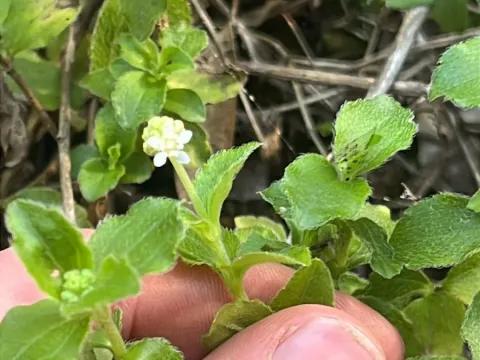
Whipplea is a monotypic genus of plants belonging to the Hydrangeaceae family, represented by a single species, Whipplea modesta. This evergreen or semi-evergreen subshrub is recognized for its trailing growth habit, making it an excellent candidate for ground cover applications in specific landscape designs.
What the section contains

Whipplea
The species is native to the western regions of North America, specifically found in the forested areas of California and Oregon. It thrives in the understory of coniferous and mixed forests, where the environment provides consistent moderate moisture and protection from harsh, direct sunlight.
Botanically, Whipplea is characterized by small, oppositely arranged leaves and delicate white flowers grouped in dense, head-like inflorescences. Its root system is capable of effectively colonizing the topsoil layer, which allows the plant to form a dense mat that can successfully outcompete various weed species.
Successful cultivation of this crop requires well-drained, slightly acidic to neutral soils that are rich in organic matter. The plant is highly sensitive to waterlogging; therefore, selecting a site with excellent soil structure is a crucial agronomic step to prevent root rot and ensure long-term plant health.
Climate preferences for Whipplea include mild winters and moderately warm summers without extreme heatwaves. While the plant demonstrates significant shade tolerance, maintaining sufficient levels of dappled light during the growing season is essential for promoting overall plant vigor and foliage density.
In its natural habitat and under cultivation, Whipplea is largely resistant to specialized pests; however, excessive soil moisture often leads to susceptibility toward fungal pathogens affecting the root system. Regular monitoring of irrigation practices and site drainage is the primary method of disease prevention.