
Monsonia heliotropioides
Monsonia heliotropioides
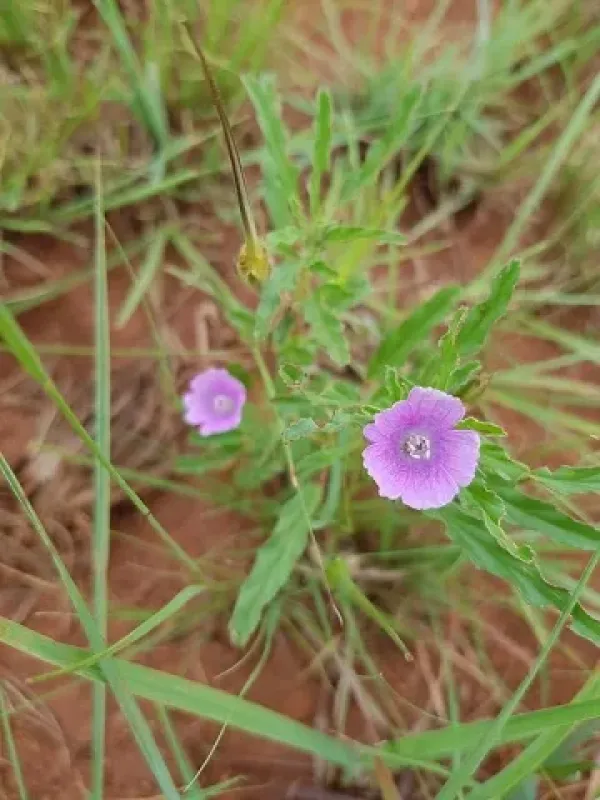
Description
Growing requirements
Monsonia heliotropioides is a herbaceous perennial plant belonging to the Geraniaceae family. Native to the arid and hyper-arid regions of North Africa and Western Asia, it has evolved to thrive in environments with minimal annual rainfall and significant temperature fluctuations.
The species is botanically characterized by a low, compact growth habit and a deep-reaching taproot system. Its foliage is often pubescent, providing a reflective barrier that minimizes solar absorption and reduces transpiration rates under intense desert sunlight.
Cultivation requires well-drained, sandy or gravelly soil conditions. This plant is highly sensitive to root asphyxiation, making perfect drainage a fundamental requirement for any agricultural or experimental plot intended for its growth.
Environmental factors such as high luminosity and low atmospheric humidity are ideal for its physiological processes. It is highly adapted to soils with low nutrient profiles, typically characteristic of arid desert landscapes where competition from other vegetation is minimal.
Economically, this species is noted for its potential in pharmaceutical research due to its secondary metabolites. Additionally, its ability to stabilize loose soil surfaces makes it a candidate for low-input desert revegetation and environmental restoration projects.
Main diseases and pests
The primary biotic threats to this crop are soil-borne fungal pathogens, such as Pythium and Phytophthora, which proliferate rapidly if soil moisture levels exceed the plant's tolerance threshold. These pathogens cause stem and root rot.
Pests such as aphids and spider mites are frequent invaders, especially when the plant is grown in greenhouse conditions with poor ventilation. These insects sap the plant's resources and can facilitate the transmission of viral pathogens.
Foliar fungal diseases, such as powdery mildew, may emerge if relative humidity remains consistently high, particularly during the transition between seasonal cycles or during unseasonal precipitation events.
Rodent damage is another significant factor in arid field conditions, as the succulent-like properties of the stems can attract local wildlife seeking water sources during extreme drought periods.
Proactive management of these threats focuses on site selection, ensuring excellent air circulation, and maintaining a strict watering regime that mimics the plant's natural pulse-driven ecological environment.