
Monsonia multifida
Monsonia multifida
Description
Growing requirements
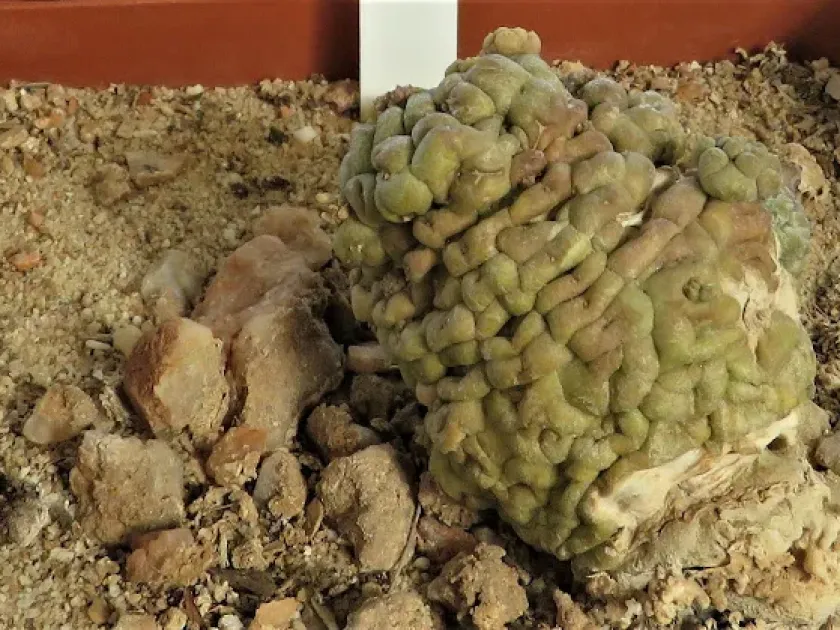
Monsonia multifida is a fascinating species of caudex succulent belonging to the Geraniaceae family. Native to the arid regions of Southern Africa, this plant has adapted to harsh environmental conditions, developing a thick, woody stem that stores water during extended periods of drought.
Botanically, the plant is characterized by finely dissected, pinnate leaves that possess glandular hairs, which help the plant adapt to intense solar radiation. The plant remains relatively small, making it a highly prized specimen for collectors and specialized cultivation environments.
For successful cultivation, Monsonia multifida requires a mineral-based substrate with excellent drainage properties. A mixture of gravel, pumice, and coarse sand is ideal, as the plant cannot tolerate water stagnation around its root system or caudex base.
The cultural conditions demand high light intensity throughout the year. In protected cultivation, it requires a position in full sun to maintain its natural growth habit. The temperature should be maintained in a range of 20°C to 30°C during the active growing season.
Irrigation must be carefully managed according to the growth cycle. During the active phase, water sparingly once the soil has completely dried. During the dormancy phase, the plant should be kept almost completely dry to simulate its native desert climate and prevent decay.
Main diseases and pests
The most significant threat to the health of Monsonia multifida is the development of fungal rot in the roots and the base of the stem, often caused by overwatering or insufficient drainage. This is often fatal for the specimen.
Pests such as mealybugs and spider mites can attack the foliage, especially in conditions of poor air circulation. Regular inspection and controlled use of specialized insecticides are recommended to maintain plant hygiene.
High humidity combined with low temperatures is particularly dangerous for this species, as it significantly increases the susceptibility to secondary bacterial and fungal infections.
Etiolation, resulting from insufficient light exposure, weakens the plant's structural integrity, making it more prone to infestations by pests and physiological disorders that compromise the caudex development.
Cultivators should avoid using heavy fertilizers, as Monsonia multifida is adapted to low-nutrient environments. Excessive nitrogen promotes soft, watery growth that is easily damaged by environmental stress.