
Monsonia crassicaulis
Monsonia crassicaulis
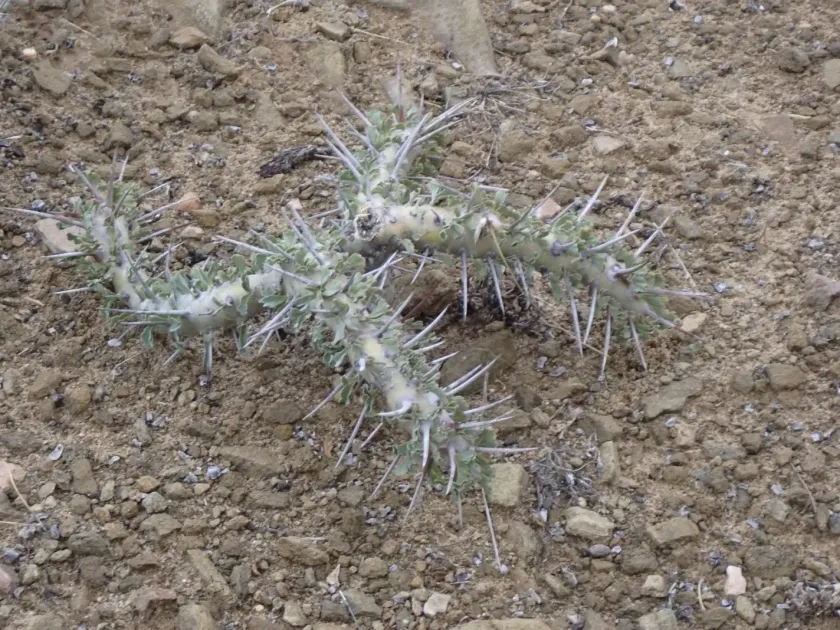
Description
Growing requirements
Monsonia crassicaulis is a distinct species belonging to the Geraniaceae family. It is recognized as a succulent plant characterized by its thick, water-storing stem, which serves as a specialized organ for survival in arid environments.
Native to the arid regions of Southern Africa, this plant has adapted to survive in harsh, rocky landscapes with minimal rainfall. Its botanical structure is a direct result of evolutionary adaptations designed to maximize efficiency in water usage.
To cultivate Monsonia crassicaulis successfully, high levels of light are essential. It thrives in locations with strong natural sunlight, which prevents the stem from becoming distorted or elongated, maintaining its attractive, compact form.
Soil requirements are strict, focusing on excellent porosity. A substrate composed of pumice, perlite, and coarse sand is highly recommended to ensure rapid drainage, as any waterlogged conditions will inevitably compromise the root system.
Seasonal management is crucial for this species. During the active growth phase in warmer months, regular but infrequent watering is required. Conversely, during the winter dormancy period, the plant requires very little water and cooler temperatures to maintain its health.
Main diseases and pests
The primary threat to the health of Monsonia crassicaulis is root rot caused by improper irrigation. Over-watering creates an anaerobic environment that fosters the growth of harmful bacteria and fungi within the succulent tissues.
Common pests such as mealybugs and spider mites frequently pose a threat to the plant, especially in controlled greenhouse environments. These pests thrive in dry conditions and can cause significant damage to the epidermis and succulent growth.
Effective management involves regular inspections and the application of appropriate systemic insecticides if an infestation is detected. It is also important to isolate affected plants to prevent the spread of pests throughout the collection.
Preventative care also involves maintaining good ventilation and air circulation. Proper air movement helps evaporate excess surface moisture and prevents the development of mildew or other surface fungi that can stress the plant.
Using sterile soil components and cleaning gardening tools between uses significantly reduces the risk of introducing pathogens. A balanced, low-nitrogen fertilizer should be applied sparingly to support growth without inducing weak, succulent tissue susceptible to decay.