
Monsonia angustifolia
Monsonia angustifolia
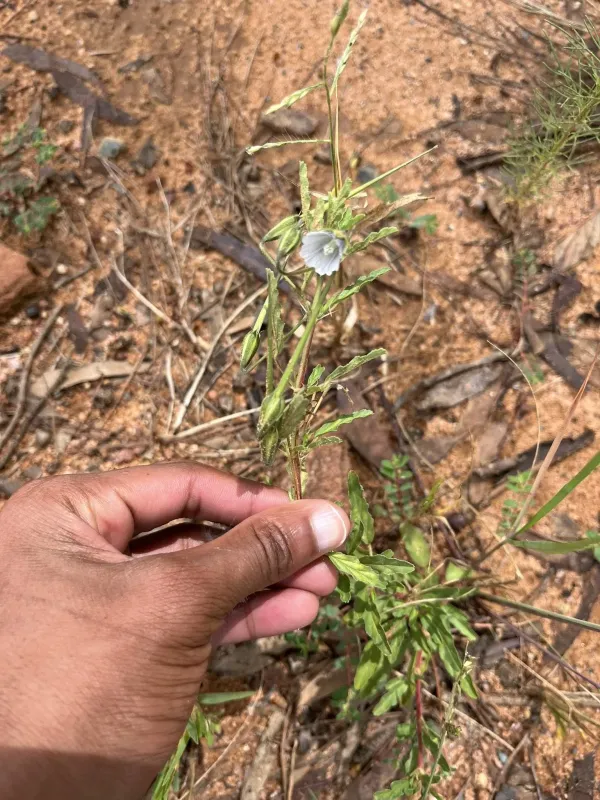
Description
Growing requirements
Monsonia angustifolia is a perennial herb belonging to the Geraniaceae family. Recognized for its unique secondary metabolites, this plant has attracted attention for its traditional medicinal uses in Southern Africa.
The plant originates from arid and semi-arid regions. It thrives in well-drained, nutrient-poor sandy soils where other crops might struggle. It is essentially adapted to low-water conditions and intense solar radiation.
Climatic requirements are specific to high-temperature zones. It requires significant sunshine to synthesize its active components properly. Avoid planting in areas with high humidity or frequent rainfall, as this leads to root rot.
Regarding cultivation techniques, soil drainage is the most critical factor. Farmers should ensure the soil is porous, incorporating grit or sand if the native soil is too heavy or loamy to prevent moisture buildup.
Propagation is typically achieved through seeds, which require warmth to germinate. Spacing must be wide enough to allow for optimal airflow around each plant, reducing the risk of humidity-related foliage diseases.
Main diseases and pests
Fungal pathogens associated with damp soil are the primary threat to the crop. These include various species of Pythium and Rhizoctonia, which attack the root system during periods of high humidity.
Aphids and spider mites are the most common insect pests. These pests extract sap from the leaves, weakening the plant's ability to store the necessary compounds required for harvest quality.
Viral infections can sometimes occur, often transmitted by insect vectors. The best control strategy involves monitoring the field regularly and removing infected plants to prevent the spread of the pathogen.
Mechanical weed control is preferred over chemical interventions. The presence of weeds competes for soil nutrients and increases local humidity, providing a bridge for disease transmission between plants.
Finally, improper harvesting techniques can cause structural damage to the crown, leaving the plant susceptible to opportunistic secondary infections that might reduce its longevity in the field.