
Monsonia burkeana
Monsonia burkeana
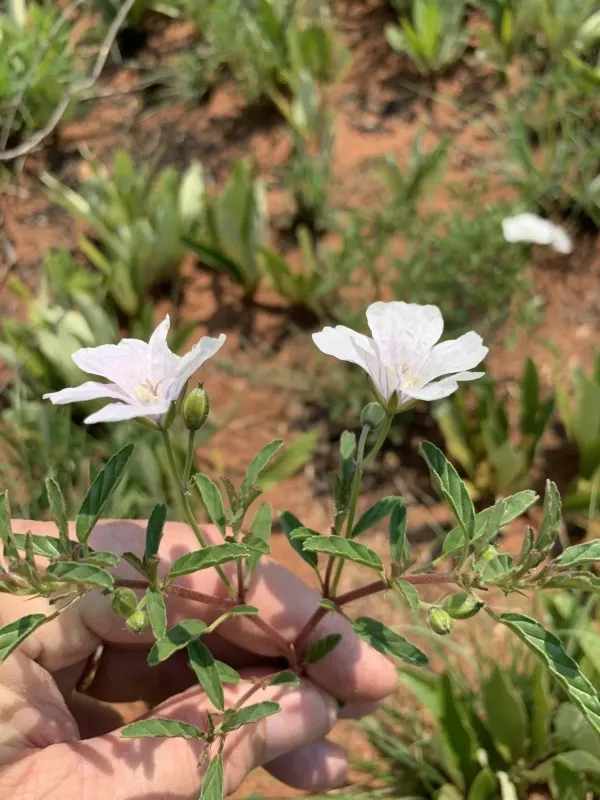
Description
Growing requirements
Monsonia burkeana is a herbaceous perennial plant belonging to the Geraniaceae family. It is native to the diverse landscapes of Southern Africa, thriving in environments characterized by limited rainfall and intense sun exposure.
The plant is anatomically adapted to arid conditions, featuring a hardy root structure and often pubescent foliage that serves to mitigate water loss. These features make it a subject of interest for those studying drought-resistant vegetation.
Regarding climatic requirements, the species favors high temperatures ranging from 20°C to 30°C. It is not frost-tolerant and requires protection against freezing temperatures, which can be fatal to the plant's succulent tissues.
The soil must be exceptionally well-drained. Sandy or rocky substrates are ideal for cultivation, as they prevent water accumulation. Adequate aeration of the soil profile is essential to maintain root health and prevent oxygen starvation.
Agricultural management requires minimal irrigation. The primary rule is to wait until the substrate is completely dry before applying water again. Over-watering is the most common cause of failure when cultivating this species.
Main diseases and pests
Root rot, driven by excessive soil moisture, is the most significant threat to the survival of Monsonia burkeana. Once pathogens enter the root system, recovery is often difficult due to the plant's slow metabolism.
Pests such as mealybugs and spider mites may infest the plant, particularly in sheltered or greenhouse environments. These pests thrive in dry air, so maintaining proper ventilation is an effective control strategy.
Fungal leaf spots can occur when humidity levels remain high for extended periods without adequate air circulation. Removing affected foliage and applying appropriate fungicides can prevent the spread of the infection.
Salinity stress is another factor to consider. Frequent application of high-mineral water can lead to salt accumulation in the soil, which inhibits root uptake and slows the plant's overall development.
In terms of long-term health, plants grown in pots should be repotted every two to three years to refresh the substrate and inspect for any signs of subterranean pest activity or root decay.