
Monsonia glauca
Monsonia glauca
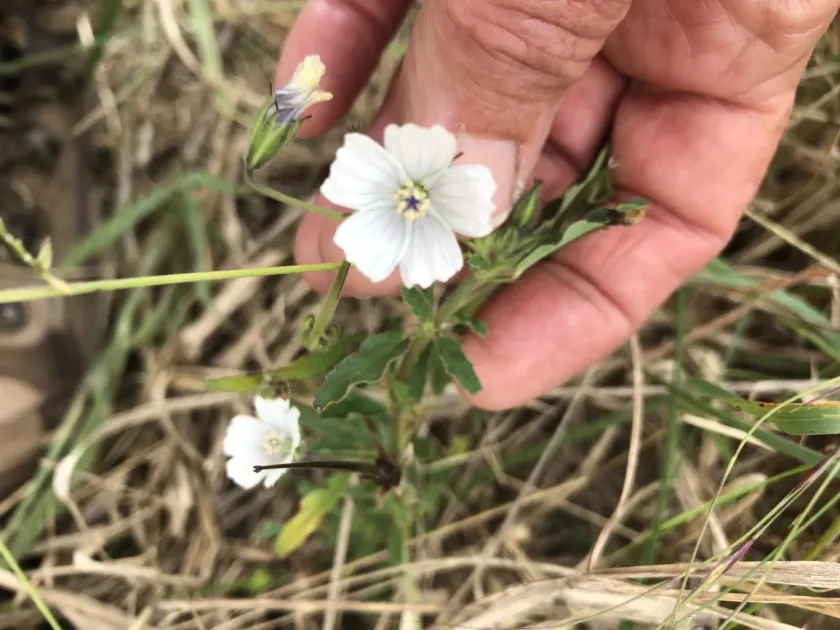
Description
Growing requirements
Monsonia glauca is a perennial herbaceous plant belonging to the Geraniaceae family. Recognized for its exceptional drought tolerance, this species serves as a valuable model for agricultural research in arid environment crop development.
The plant originates from Southern Africa, where it thrives in harsh sandy terrains. Its natural range demonstrates a high degree of adaptation to desert and semi-desert conditions, where annual precipitation is extremely low.
Botanically, Monsonia glauca is characterized by its glaucous, waxy foliage which significantly reduces water loss through transpiration. The plant maintains a compact growth habit, preserving energy for survival in nutrient-poor environments.
Agricultural requirements necessitate well-draining soils with a sandy texture. Achieving proper soil aeration is critical, as the roots are highly susceptible to oxygen deprivation if the soil remains waterlogged for extended periods.
The plant demands full sun exposure and warm climatic conditions. It exhibits high sensitivity to frost and excessive air humidity, making it suitable only for specific climatic zones or controlled environmental settings.
Main diseases and pests
Pathogenic threats are primarily associated with soil-borne fungi, such as Fusarium and various types of root rot. These conditions are almost exclusively triggered by improper irrigation management or poor drainage systems.
Pest pressure often comes from nematodes that target the root system, potentially causing stunted growth and reduced biomass yield. Early detection is essential to prevent significant field losses.
Spider mites can also become a problem in drier, warmer conditions where natural ventilation might be restricted. They extract sap from the leaves, causing chlorosis and weakening the plant structure.
Integrated pest management strategies focusing on cultural practices, such as precise irrigation and soil solarization before planting, are the most effective ways to mitigate these risks.
Consistent monitoring of plant health, especially during the early stages of development, is crucial for maintaining the productivity and longevity of a Monsonia glauca stand.