
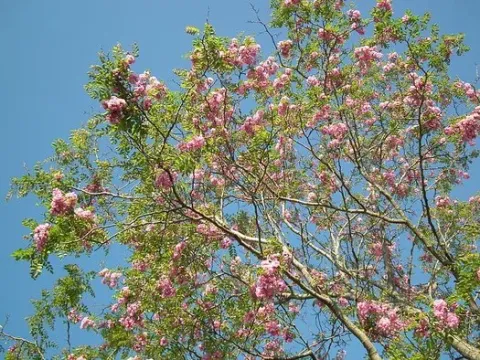
Robinia hybrids
Robinia hybrids
Robinia hybrids refer to various crosses within the genus Robinia, predominantly derived from Robinia pseudoacacia and other species. Belonging to the Fabaceae family, these trees are known for their symbiotic relationship with nitrogen-fixing bacteria.
What the section contains
Robinia hybrids
The culture thrives in well-drained, fertile soils but exhibits remarkable adaptability to poor or rocky terrain. Its resilience makes it an ideal candidate for soil reclamation projects in degraded agricultural areas.
As a light-demanding plant, Robinia hybrids require full sun to reach their full potential in growth and bloom intensity. Adequate sunlight is crucial for maintaining a dense, healthy canopy throughout the growing season.
Climatic requirements involve a moderate tolerance to drought and frost. While established specimens are quite hardy, young plants benefit from sheltered locations during their early years of development to prevent branch damage.
Management practices typically involve pruning to manage shape and structural integrity. Regular monitoring of root suckers is also recommended, as some hybrids can exhibit vigorous spreading habits if left unchecked.
The primary use of Robinia hybrids is in ornamental horticulture. Their showy, fragrant flowers attract a wide array of pollinators, making them a preferred choice for sustainable landscaping and garden design.
From an agricultural standpoint, the wood of these trees is highly durable and rot-resistant. It is valued in high-end carpentry for manufacturing furniture, flooring, and various outdoor garden structures.
Robinia hybrids serve as excellent honey plants. The nectar produced by their blossoms is highly sought after by beekeepers, resulting in a distinct, high-quality honey with a pleasant, floral profile.
In environmental management, these trees are used for erosion control. Their deep and extensive root systems are highly effective at stabilizing slopes, embankments, and areas prone to soil degradation.
They contribute significantly to soil fertility by enriching the substrate with nitrogen through leaf fall and root decomposition, effectively supporting the growth of surrounding understory plants.
Powdery mildew is a frequent issue, especially in dense plantings with poor air circulation. It manifests as a white, powdery fungus on the leaves, which can reduce the plant's overall vigor if untreated.
Leaf-feeding insects, including certain beetles and weevils, can cause aesthetic damage to the foliage. Integrated pest management using biological controls is recommended to maintain the tree's visual appeal.
Wood-boring pests represent a more significant threat, as their larvae can weaken branches and stems. Regular inspection for exit holes or frass is necessary to detect infestations before they cause irreversible damage.
Various leaf spots can affect the foliage during periods of prolonged wet weather. Ensuring proper plant spacing and keeping the area under the canopy clear of debris helps reduce disease pressure.
General tree health is the best defense against pests and diseases. Providing appropriate irrigation during extreme droughts and balanced fertilization helps the tree resist environmental stress and pathogen attacks.