
Piptanthus forrestii
Piptanthus forrestii
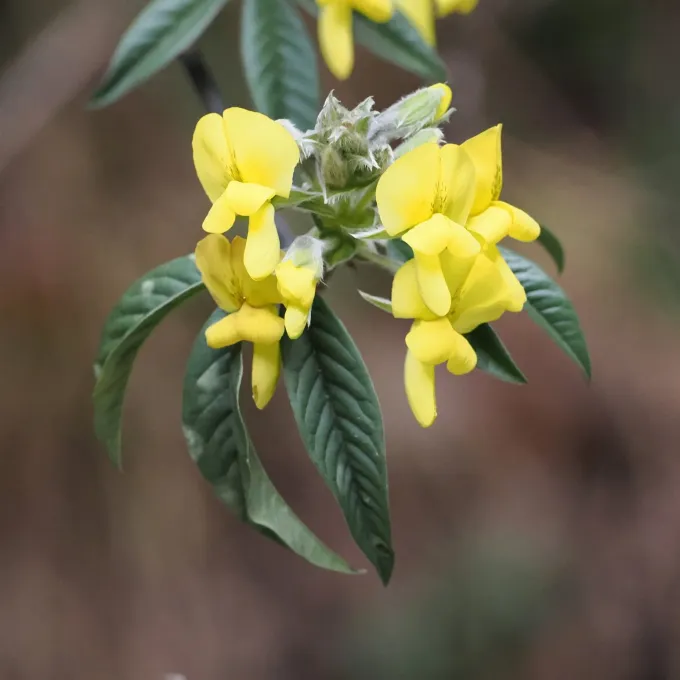
Description
Sowing dates
Sowing Piptanthus forrestii seeds is best performed in the spring once soil temperatures have risen. Seeds require a cold stratification period of one to two months to break dormancy and ensure consistent germination.
For container-grown starts, seeds should be sown in a high-quality, well-draining potting mix during early spring. Maintain consistent moisture levels and provide bright, indirect light until the seedlings are established.
Transplanting into the garden should occur after the final frost of the season. Young plants benefit from being placed in a location sheltered from strong prevailing winds, which can easily damage tender foliage.
Spacing is essential for the healthy development of this shrub. Aim for a distance of approximately 1.5 to 2 meters between specimens to allow sufficient airflow and promote uniform growth throughout the season.
Cuttings can be taken during the summer months to propagate the plant vegetatively. Using semi-ripe wood with a rooting hormone will increase the success rate and ensure stronger root development for new plants.
Growing requirements
Piptanthus forrestii is a member of the Fabaceae family, native to the mountainous regions of China. It is highly valued for its striking yellow, pea-like flowers and its ability to act as a significant ornamental feature.
The plant thrives in fertile, well-draining soil with a neutral to slightly acidic pH level. It does not tolerate heavy or waterlogged soil conditions, as these can quickly lead to root decay and overall plant failure.
While Piptanthus forrestii is relatively hardy, it prefers full sun to light shade. In regions with extremely hot summers, it may require some protection from the intense midday sun to maintain leaf color and health.
Watering requirements are moderate; it is best to allow the top layer of soil to dry out between applications. During the first year after planting, however, consistent moisture is necessary to establish a deep root system.
Pruning is usually limited to removing dead or damaged wood after the flowering period concludes. This encourages the plant to put energy into healthy new growth and maintains its desirable form throughout the growing cycle.
Main diseases and pests
The most significant threat to the health of this shrub is root rot caused by poor soil drainage. Keeping the root zone consistently saturated will inevitably lead to the decline of the plant over a short duration.
Fungal diseases, such as powdery mildew, can appear if the plant is grown in areas with poor air circulation. Thinning out the canopy periodically helps ensure adequate ventilation and reduces the risk of infection.
Aphids and spider mites are common pests that may infest the plant during dry spells. Monitoring the undersides of leaves regularly allows for quick intervention with soap sprays or other appropriate pest control measures.
Winter cold can pose a risk in regions with severe frosts. Protective mulching around the base of the plant and covering the upper branches with horticultural fleece can prevent frost bite on the younger stems.
Proper sanitation is vital to prevent the spread of diseases. Always clean pruning tools between cuts, especially if working on suspected infected material, to keep the Piptanthus forrestii healthy and vigorous.