
Piptanthus concolor
Piptanthus concolor
Description
Sowing dates
Sowing Piptanthus concolor seeds is best executed in early spring. The seeds require scarification due to their hard seed coat, followed by a soak in warm water to ensure effective germination.
For container-grown seedlings, use a well-draining, sterile potting mix. Maintain a temperature of about 20 degrees Celsius to encourage rapid sprouting of the seeds.
Once seedlings have developed two sets of true leaves, they should be transplanted into individual pots to avoid root congestion before moving them outdoors.
In regions with cooler climates, it is advisable to keep the plants in a greenhouse for the first year to allow the root system to establish sufficiently.
Hardening off the plants is a crucial step before final transplantation into the garden beds, which should be done gradually over a period of ten days.
Growing requirements
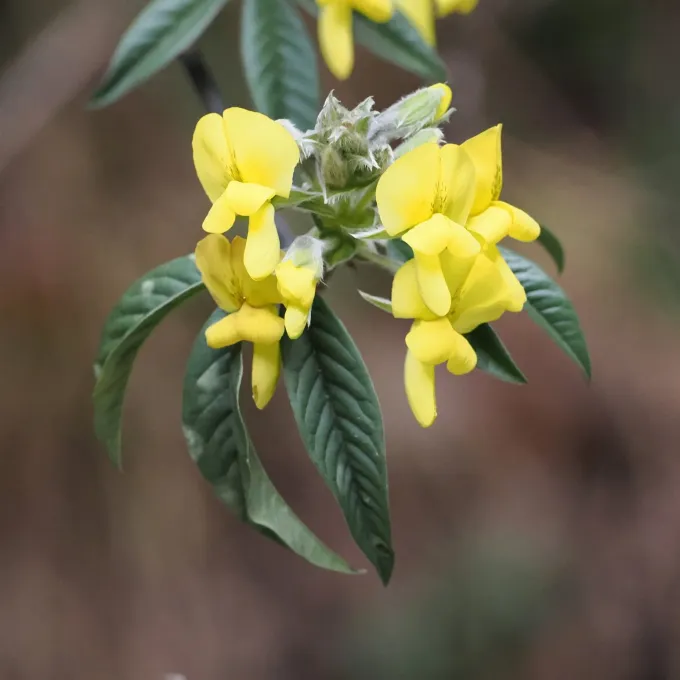
Piptanthus concolor is a member of the Fabaceae family, prized for its golden-yellow, pea-like flowers. It is native to the mountainous regions of Asia, where it thrives in rocky, well-drained slopes.
This species requires full sun to partial shade for optimal blooming. A location protected from prevailing strong winds is essential to prevent stem breakage.
The soil should be slightly acidic to neutral, rich in organic matter, and, most importantly, possess excellent drainage properties to prevent waterlogging.
Watering should be deep but infrequent once the plant is established. The shrub is naturally adapted to survive seasonal dry periods common in its native habitat.
Pruning should be performed immediately after the flowering season. This practice encourages new growth and maintains the shrub's architectural, upright shape.
Main diseases and pests
Root rot is the primary threat to the vitality of the plant, usually caused by overwatering or poor soil drainage. Ensure the planting site is elevated or properly amended.
Aphids and spider mites are common pests that target the tender growth during dry spells. Biological control methods or insecticidal soaps are recommended for management.
Powdery mildew may occur in stagnant, humid air conditions. Improved spacing between plants and selective pruning will enhance airflow and reduce disease risk.
Chlorosis, which presents as yellowing leaves, can occur in alkaline soils where the plant cannot absorb essential iron. Adjusting soil pH is the necessary solution.
Winter injury can affect young or poorly hardened plants. Applying a mulch layer around the base can provide protection against extreme temperature fluctuations.