
Piptanthus nepalensis
Piptanthus nepalensis
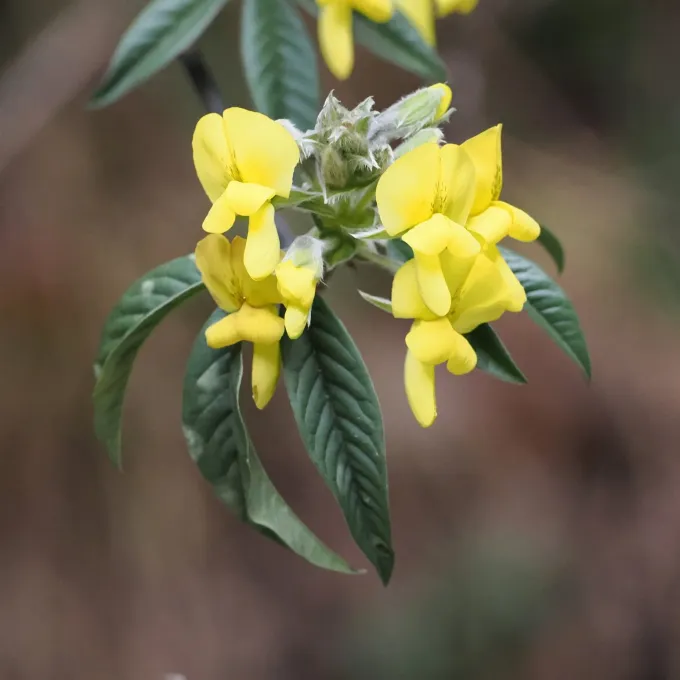
Description
Growing requirements
Piptanthus nepalensis is a distinguished member of the Fabaceae (legume) family, native to the Himalayas. It is known for its attractive yellow flowers and lush, trifoliate leaves, making it a valuable ornamental choice for temperate gardens.
This shrub requires a site with full sun to partial shade, sheltered from harsh, cold winds. The soil should be fertile, well-draining, and slightly acidic to neutral. High moisture retention in the soil must be balanced by excellent drainage to prevent root rot.
In terms of climate, the species is moderately hardy but thrives best in mild climates. In regions with severe frost, it is highly recommended to plant it against a sunny wall or maintain it in large containers that can be moved to a protected location during winter.
Agricultural management includes moderate irrigation, especially during the first growing seasons, and annual pruning. Pruning should be carried out after flowering to maintain a dense, attractive shrub shape and encourage vigorous growth for the following year.
Fertilization with a balanced, slow-release fertilizer during the early spring encourages blooming. Avoid over-fertilizing with high-nitrogen products late in the season to prevent weak, frost-susceptible growth before the winter arrives.
Main diseases and pests
Root rot is the most common threat to Piptanthus nepalensis, occurring predominantly when the plant is grown in poorly drained, heavy clay soils. Ensuring proper soil preparation prior to planting is the most effective preventative measure.
Aphids can occasionally infest tender new shoots during the spring. Monitoring is essential, and an integrated pest management approach using natural predators or mild insecticidal soaps is usually sufficient to address the issue.
Powdery mildew may develop if the shrub is planted in an area with stagnant air and high humidity. Proper plant spacing and regular thinning of branches will significantly improve airflow and reduce the risk of fungal infections.
Red spider mites might become a concern during extended periods of drought and high heat. Regular overhead watering or misting the foliage can help maintain a microclimate that is less favorable to these pests.
Overall, Piptanthus nepalensis is a robust plant when situated in its preferred environment. Consistent maintenance and focus on soil health are the primary keys to keeping the shrub free from disease and pests throughout the year.