
Piptanthus tomentosus
Piptanthus tomentosus
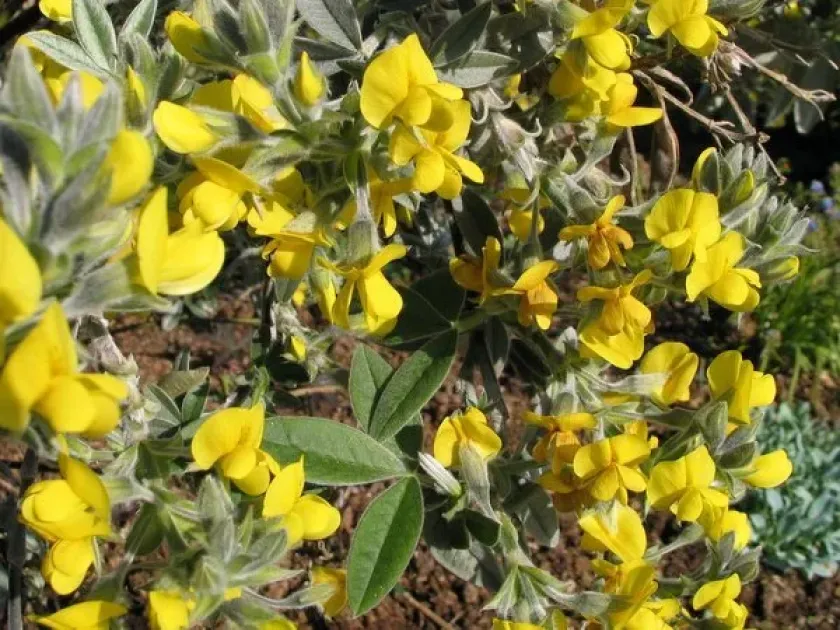
Description
Growing requirements
Piptanthus tomentosus, commonly known as the woolly piptanthus, is a perennial shrub belonging to the Fabaceae (pea) family. It is native to the high-altitude mountain regions of Southwest China, where it thrives in rocky, open environments.
The plant is characterized by its trifoliate leaves, which feature a distinct woolly (tomentose) texture, giving it a unique silvery appearance. It typically grows as an upright shrub reaching heights of 1 to 2 meters under favorable conditions.
Regarding soil requirements, the species demands a well-draining, loose medium. It performs best in neutral to slightly acidic soils. Heavy or clay-based soils that retain too much moisture are detrimental, often causing root rot.
Climatic needs center around sufficient sunlight and protection from severe winter frost. While it is hardy in mountain habitats, garden cultivation in colder zones requires mulching or winter protection to prevent damage to the structural wood.
The primary use of Piptanthus tomentosus is ornamental. It is valued for its large, bright yellow, pea-like flowers that bloom in clusters, providing significant visual interest in landscapes, particularly in rock gardens or sheltered borders.
Main diseases and pests
The primary threats to Piptanthus tomentosus include fungal diseases, such as powdery mildew or fungal leaf spots, which are more common in poorly ventilated areas or locations with excessive humidity levels.
Insect pests such as aphids and spider mites can occasionally affect the plant. These pests usually target young leaves and soft stems, potentially hindering the plant's growth and affecting its overall aesthetic appeal.
Effective management includes regular maintenance, such as cleaning up fallen debris and pruning to allow sufficient airflow through the canopy, which reduces the prevalence of fungal pathogens.
When pest infestations occur, organic insecticidal soaps or specific biological controls are recommended to preserve the local garden ecosystem and protect the plant's health without excessive chemical intervention.
Root health is paramount; therefore, monitoring soil moisture is the best preventative strategy against root-borne threats. Ensuring that the site has excellent drainage significantly lowers the risk of systemic diseases.