
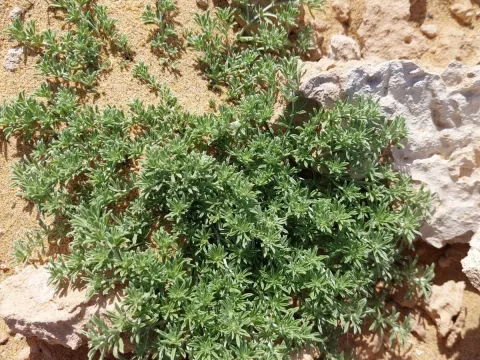
Lowe's trefoil
Lotus loweanus
Lowe's trefoil is typically sown during the spring season when soil temperatures reach 10–12 degrees Celsius to ensure optimal germination rates.
What the section contains
Lowe's trefoil
Due to the common hard-seededness in Lotus species, seed scarification is recommended prior to planting to enhance field emergence.
The sowing depth should be maintained between 1.5 and 2 cm, ensuring that the seeds are in contact with moist soil while not being buried too deep.
A standard seeding rate ranges from 10 to 14 kilograms per hectare, depending on the chosen planting method and the quality of the seed bed.
As the seedlings develop slowly in their first year, minimizing weed competition during the early establishment phase is crucial for success.
As a member of the Fabaceae family, Lowe's trefoil is highly valued for its symbiotic nitrogen fixation, which significantly improves soil fertility.
The plant demonstrates remarkable adaptability to various soil types, ranging from poor sandy soils to slightly saline areas where other crops might struggle.
Light requirements are significant for this species; it prefers open, sunny locations and does not perform well in heavily shaded conditions.
While the crop is relatively drought-tolerant once established, it achieves its highest biomass potential under moderate and consistent moisture levels.
The ideal soil pH for cultivating this species ranges from 6.0 to 7.5, providing the best environment for root nodule activity and plant development.
Fungal diseases, including root rots and powdery mildew, represent the primary threat to the crop, especially in areas with poor drainage or high humidity.
Insect pests like the clover root curculio can cause significant damage to young plants, affecting both the foliage and the vital root system.
Early-stage weed management is essential, as the slow initial growth of the trefoil leaves it vulnerable to competition from more aggressive weeds.
Disease prevention strategies should include proper crop rotation and the application of seed treatments to minimize soil-borne pathogens before planting.
Careful use of insecticides is necessary, as the plant is a valuable honey crop that attracts and supports various pollinator populations.
Lowe's trefoil is primarily utilized for high-quality forage production, providing an excellent source of protein for livestock throughout the season.
To maximize nutritional value, harvesting should take place during the early flowering stage, when the nutrient concentration in the biomass is peak.
Hay production requires efficient drying techniques to preserve the leaves, which are the most nutrient-dense part of the plant structure.
Seed harvesting must be timely, as the pods are prone to shattering upon reaching full maturity, potentially leading to significant yield losses.
The plant exhibits good regrowth potential after cutting, allowing for multiple harvests per year under favorable climatic and management conditions.