
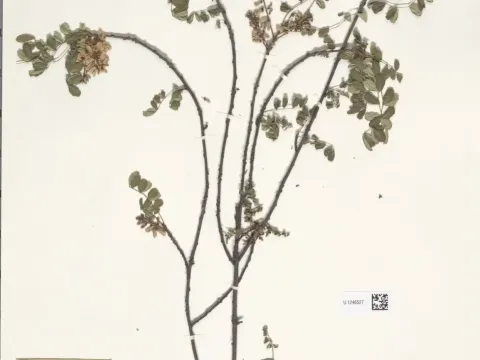
Indigofera dielsiana
Indigofera dielsiana
Indigofera dielsiana belongs to the Fabaceae family and is typically propagated via seeds during the spring months when soil temperatures consistently rise above 15 degrees Celsius.
What the section contains
Indigofera dielsiana
Before sowing, seeds must undergo scarification to break their hard physical dormancy, which is a common characteristic of many species within the genus Indigofera.
Standard agronomic practices suggest row planting, ensuring sufficient spacing between plants to optimize light interception and facilitate future mechanical maintenance.
The optimal seeding depth is approximately 1.5 centimeters, ensuring the seed remains in contact with moist soil while being able to emerge relatively quickly.
Adequate field preparation, including the removal of surface debris and levelling the soil, is crucial for achieving uniform plant emergence across the field.
This species thrives in well-drained sandy loam soils that possess a slightly acidic to neutral pH, preventing the risk of waterlogging in the root zone.
Indigofera dielsiana requires full sun exposure for optimal biomass production; partial shading usually results in reduced vigor and delayed development of the plant.
Regarding moisture, the plant is relatively drought-tolerant once established, but supplemental irrigation is recommended during the first weeks of the establishment phase.
Soil cultivation is necessary to maintain porosity and aeration, which supports the symbiotic relationship with nitrogen-fixing bacteria residing in the plant's root nodules.
Protection from severe frost is essential, as the species is sensitive to extreme cold, which can lead to significant damage of the primary stems and root system.
The primary threats include fungal pathogens like Fusarium and root rot, which are primarily facilitated by poor drainage and excessively high soil moisture content.
Insect pests, specifically aphids and certain types of caterpillars, can significantly damage foliage during the rapid vegetative growth phase of the season.
Weed competition is a significant concern during the early growth stages, as the plant may be easily outcompeted by fast-growing annual grasses if not managed.
Maintaining a balanced crop rotation is an effective strategy to mitigate the build-up of soil-borne diseases that could jeopardize long-term yield stability.
Integrated pest management protocols should be utilized, emphasizing cultural and biological controls before resorting to chemical applications in the field.