
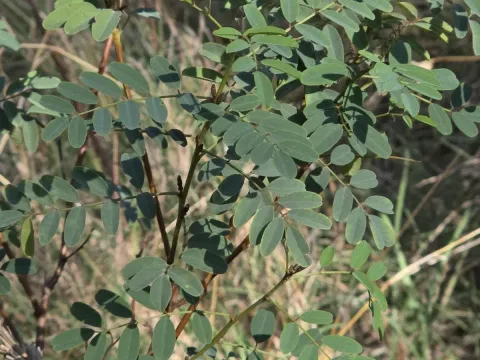
Australian Indigo
Indigofera australis
Australian Indigo, botanically known as Indigofera australis, is a legume that can be propagated through seeds or cuttings. To achieve successful germination, seeds often require scarification to penetrate the tough seed coat before sowing in a well-drained medium.
What the section contains
Australian Indigo
The ideal time for planting is early spring, allowing the plants to establish a robust root system before the onset of summer heat. Sowing in a sheltered nursery environment ensures better protection for the delicate seedlings during their initial growth phase.
When sowing in open ground, it is essential to prepare the soil by loosening it to facilitate root penetration. Consistent moisture is required during the first stages of germination to ensure the seed has enough energy to sprout effectively.
Plant spacing should be adjusted according to the intended use, whether for decorative hedging or as a standalone specimen. Providing adequate space between plants is crucial for air circulation and preventing competition for soil nutrients.
Incorporating root-promoting stimulants during transplanting can help the young Indigofera establish itself more quickly in its permanent location, leading to healthier and more vigorous overall plant development.
Originating from Australia, this species thrives in full sun exposure. While it may tolerate partial shade, maximum flowering and optimal structural development are achieved when the plant receives several hours of direct sunlight daily.
Indigofera australis is adaptable to various soil types, including sandy and loam soils, provided they are well-drained. Avoiding heavy, waterlogged soils is the most important factor in maintaining plant health and preventing root-related issues.
The plant demonstrates moderate drought tolerance once fully established, making it suitable for low-maintenance garden designs. However, regular watering during the first growing season is necessary to support its long-term health and growth.
Temperature requirements generally fall within the range of 18 to 28 degrees Celsius for active growth. It is not fully frost-hardy, so in regions with cold winters, it should be protected or moved indoors if grown in portable containers.
As a member of the Fabaceae family, it has nitrogen-fixing capabilities, improving soil fertility naturally. Therefore, it does not require heavy nitrogen fertilization, which could otherwise lead to excessive vegetative growth at the expense of blooms.
While not a major commercial crop, Australian Indigo serves a valuable purpose in regenerative agriculture and land management. It acts as a beneficial cover crop, protecting the soil from erosion and contributing to nitrogen cycling.
Its ornamental yield is characterized by a stunning display of pinkish-purple flowers, which make it a sought-after choice for nurseries. Commercial cultivation focuses primarily on producing high-quality saplings for the landscaping industry.
The biomass generated by this plant is useful for soil improvement; when pruned or composted, it adds significant organic matter to the soil profile. This improves the overall structure and moisture-holding capacity of the garden soil.
In seed-producing plantations, yield is measured by the harvest of mature pods in late summer or autumn. Proper processing and drying are required to ensure the longevity of the seeds stored for future propagation cycles.
Integrating this shrub into permaculture systems can improve biodiversity and provide a natural nitrogen source, supporting the health of surrounding vegetation within the broader agricultural ecosystem.
Indigofera australis is generally resistant to most pests; however, humid conditions can occasionally lead to leaf spot fungal issues. Maintaining proper spacing and airflow between plants is the most effective cultural control method.
Common sap-sucking pests like aphids or spider mites may occasionally affect new, tender growth during dry periods. Early detection through regular monitoring allows for targeted and efficient management, minimizing the need for chemicals.
Root rot, often caused by excessive irrigation or poor soil drainage, is the primary threat to the plant's survival. Ensuring that the planting site has excellent drainage is critical to avoiding this condition.
Mechanical damage from improper pruning can create entry points for pathogens. Always ensure that cutting tools are sharp and sanitized before trimming the shrub to promote clean healing of the wounds.
- Regular inspection of the foliage helps catch potential infestations before they spread.
- Promoting healthy soil micro-flora through balanced moisture levels reduces the risk of root-based diseases.