
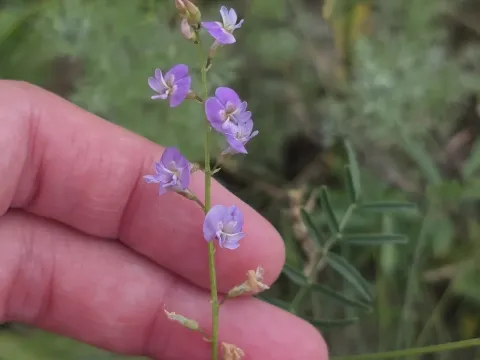
Austrian milkvetch
Astragalus austriacus
Austrian milkvetch (Astragalus austriacus) is a perennial herbaceous plant belonging to the Fabaceae family. This species is widely recognized for its adaptability to harsh environments and its role in sustainable grassland ecosystems.
What the section contains
Austrian milkvetch
Botanically, it features a robust taproot system that enables the plant to thrive in dry conditions. The stems are branched and often decumbent, bearing pinnate leaves with narrow leaflets that are adapted to minimize water loss through transpiration.
The natural range of this species extends across much of Europe and parts of Asia. It is commonly found in steppe environments, rocky outcrops, and open grasslands, demonstrating a strong preference for well-drained habitats.
Regarding soil requirements, the Austrian milkvetch is undemanding and thrives in sandy, stony, or calcareous soils. It is highly valued for its ability to fix atmospheric nitrogen, contributing to soil fertility in nitrogen-poor landscapes.
The primary agricultural use of this plant is as a source of forage for livestock, particularly in arid regions where other forage crops struggle to survive. Its high nutritional density during the vegetative stage makes it an excellent choice for pasture improvement.
The culture is susceptible to various fungal pathogens, such as rusts and mildews, especially in areas with poor ventilation or high humidity levels. Regular field monitoring is essential for maintaining crop health.
Insect pests, including weevils, pose a risk to both the vegetative growth and seed development. These pests can significantly reduce yields if left unmanaged during the active growth phases.
Aphid infestations are a common challenge during warmer periods, as they target the succulent parts of the plant. Biological controls are generally preferred to maintain the ecological balance of the pasture.
Root rot is typically associated with waterlogging and poor soil drainage. Ensuring that the planting site has adequate water regulation is the most effective preventative measure against root pathogens.
Integrated pest management is recommended for larger stands of Austrian milkvetch. Maintaining a healthy stand through appropriate mowing intervals helps minimize the impact of disease and promotes long-term plant vigor.