
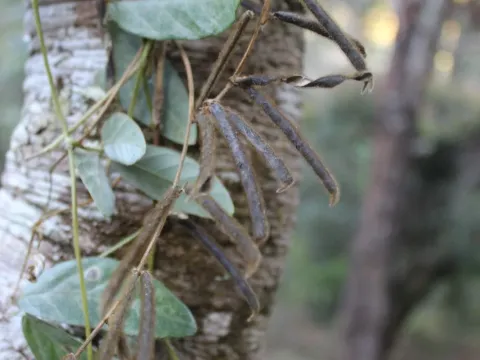
Glycine uncinata
Glycine uncinata
Glycine uncinata, now taxonomically classified within the Neonotonia genus, is a perennial legume that requires specific thermal conditions for optimal establishment.
What the section contains
Glycine uncinata
Sowing should ideally take place during the transition to warmer weather, once soil temperatures consistently exceed 18 degrees Celsius, ensuring rapid germination.
Proper seed preparation, including inoculation with specific rhizobia strains, is essential to maximize nitrogen fixation and ensure early plant vigor.
Seeds should be planted at a shallow depth of 2 to 3 centimeters, using precision drills to maintain uniform plant distribution across the field.
The optimal seeding rate varies depending on the purpose of the crop, but generally ranges from 5 to 10 kilograms per hectare to ensure a dense canopy.
This crop thrives in well-drained, fertile soils, showing a preference for loamy textures that hold sufficient moisture without becoming waterlogged.
Adequate sunlight is critical for plant growth; partial or full shade will significantly hinder biomass production and reduce the overall nutritional quality.
The plant is sensitive to frost and thrives in tropical to subtropical environments where temperatures remain between 20 and 30 degrees Celsius during the growing season.
While relatively resilient to brief dry spells, the crop requires consistent water availability during the vegetative phase to maintain a high rate of photosynthesis.
Regular monitoring of soil pH is recommended, as the plant prefers slightly acidic to neutral conditions to optimize the nutrient uptake of essential minerals.
Under favorable management conditions, the crop can yield 15 to 25 tons of fresh green matter per hectare annually, providing a significant protein source.
The high protein content in the foliage makes it an excellent forage choice for improving the nutritional balance in livestock feed rations.
Multiple harvests are possible within a single growing season, provided that the plant is allowed sufficient recovery time between consecutive cutting events.
The longevity of the stand depends on balanced fertilizer application, specifically focusing on phosphorus and potassium to strengthen the root system.
Producers often observe peak productivity during the second and third years after establishment, as the root system becomes deeply and fully developed.
Fungal pathogens, particularly rust and various leaf spot diseases, can become problematic in high-humidity environments, requiring careful field monitoring.
Root rot represents a significant risk if soil drainage is inadequate, leading to plant stunting or total stand loss in poorly managed areas.
Insect pests, including various species of aphids and leaf-eating beetles, can cause localized damage that may escalate if not treated promptly.
Effective weed control during the early stages of establishment is vital, as the seedlings are susceptible to competition from fast-growing grass weeds.
Integrated pest management strategies are recommended to maintain ecological balance and ensure the long-term sustainability of the legume forage crop.
Harvesting for forage should occur at the onset of the flowering stage, which ensures the highest possible nutrient concentration in the harvested biomass.
Adjusting the cutter bar to leave at least 10-15 centimeters of stubble is crucial for promoting quick regrowth and ensuring the persistence of the crop.
When producing hay, careful drying and handling are required to prevent leaf shatter, as leaves contain the highest concentration of digestible proteins.
For seed production, harvesting should begin when pods turn dark, using minimal mechanical force during threshing to prevent damage to the seeds.
Proper post-harvest storage in cool, dry conditions is essential to maintain high seed viability for the following planting season.