
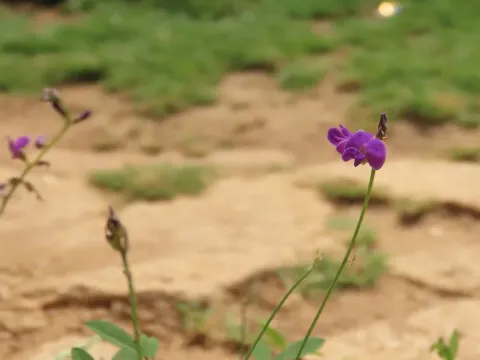
Glycine tabacina
Glycine tabacina
Glycine tabacina is a perennial herb belonging to the Fabaceae family. Unlike modern soybean, this species is characterized by its creeping growth habit and vigorous vegetative reproduction through rhizomes, which allows it to colonize disturbed habitats effectively.
What the section contains
Glycine tabacina
Agricultural propagation is primarily based on seed sowing, which requires strict attention to seed dormancy. Given the hard seed coat typical for many wild Glycine species, mechanical or chemical scarification is mandatory to ensure uniform germination rates.
The optimal sowing time should coincide with the onset of warm, stable weather conditions, typically in mid-to-late spring. Sowing depth should be shallow, as small seeds have limited energy reserves to push through heavy soil crusts.
Field establishment involves ensuring proper soil-to-seed contact and maintaining consistent moisture levels during the first weeks after emergence. During this period, the plants are highly susceptible to competition from fast-growing weeds.
Biological studies indicate that the species relies on specific nitrogen-fixing bacteria to thrive in low-nitrogen soils. Effective nodulation is a critical success factor for crop establishment in experimental and field conditions.
This species thrives in a variety of soil types ranging from sandy loams to heavier clays, provided there is adequate drainage. It exhibits a remarkable tolerance to varying soil fertility levels, reflecting its evolutionary success in diverse ecosystems.
Glycine tabacina requires substantial sunlight for maximum biomass production. While it can adapt to partial shading, growth rates, node production, and overall plant vigor are significantly higher in full sun exposure.
Water requirements are moderate, with the species demonstrating high resilience to dry spells compared to domesticated soybean varieties. However, regular water supply during the reproductive phase is essential for optimal seed set.
The plant is adapted to subtropical and warm-temperate climates. It shows sensitivity to deep frost, which can damage the vegetative parts, although the rhizomatous nature provides some protection for the perennating buds during cool winters.
Soil management should prioritize preventing waterlogging, as the species is sensitive to hypoxia in the root zone. Proper aeration and maintaining a neutral soil pH are key to supporting the necessary symbiotic microflora.
The crop is vulnerable to various fungal pathogens, especially in high-humidity environments. Leaf spots caused by species of Cercospora and other fungi can lead to significant photosynthetic loss and reduced energy storage.
Insect pests such as pod borers and various sucking insects represent a major threat to yield. These pests not only cause direct damage but also facilitate the entry of pathogens into the vascular system of the plant.
Nematode infestations, particularly in sandy soils, can severely compromise root health. This is particularly problematic for a perennial crop where the long-term integrity of the root system is vital for year-to-year survival.
Viral diseases transmitted by aphids can result in stunted growth and distorted leaf morphology, significantly reducing the vigor of the plant patches. Integrated pest management (IPM) is essential to maintain healthy stands.
- Root rot complexes
- Pod borers (Helicoverpa spp.)
- Aphid-transmitted viruses
- Nematode damage
- Powdery mildew