
Greek canary clover
Dorycnium graecum
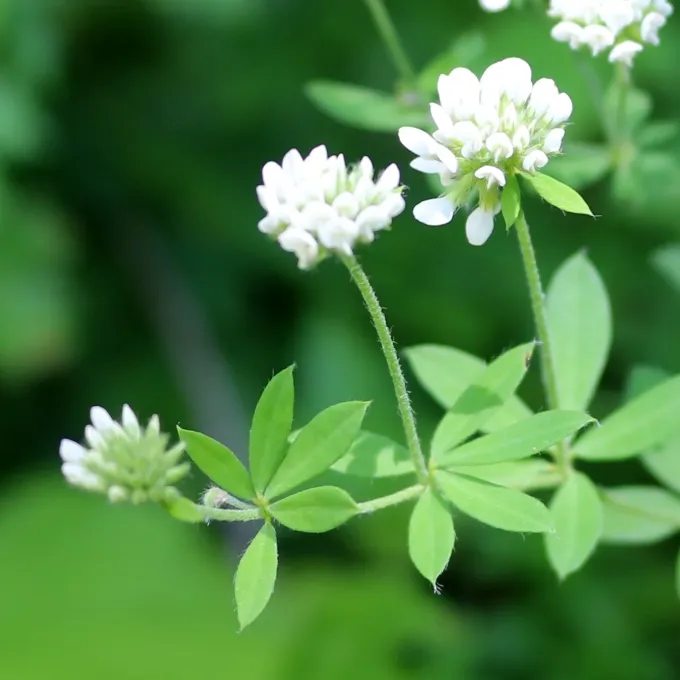
Description
Sowing dates
Dorycnium graecum is a perennial legume that should be sown in the spring when soil temperatures reach 8–10°C to ensure optimal germination and seedling establishment.
Sowing depth must be kept shallow, between 1 and 2 cm, as the seeds are relatively small and require precise placement to emerge effectively through the soil profile.
Standard row sowing is the most common method, with seeding rates typically ranging from 10 to 15 kg per hectare, depending on the desired plant density.
Scarification of seeds prior to planting is highly recommended to break dormancy and ensure a uniform crop stand across the field.
Proper seedbed preparation is vital; the soil should be fine-textured and firm to provide the necessary moisture contact for the developing root systems.
Growing requirements
This species is highly adapted to sunny environments and thrives in open areas where it can receive maximum solar radiation for vigorous growth.
It displays remarkable drought tolerance, a trait inherited from its Mediterranean origin, allowing it to survive in dry, marginal land conditions.
The plant prefers well-drained, porous soils, including rocky or calcareous types where nitrogen-fixing legumes are needed for soil improvement.
Soil pH should ideally be neutral or slightly alkaline, though the plant shows moderate flexibility regarding varying soil chemical compositions.
It requires a moderate climate without extreme cold during the growing season, though it is quite hardy once fully established in a perennial pasture.
Yield
The primary use of Greek canary clover is as a high-quality forage crop, providing excellent grazing material for livestock, especially sheep and goats.
The nutritional value is defined by high protein content and digestibility, making it a valuable contributor to balanced animal diets in arid regions.
As a perennial crop, it offers several years of production, typically yielding multiple grazings per season due to its ability to recover after cutting.
The biomass production is consistent even in years with lower rainfall, providing a strategic safety net for forage supply during dry summer months.
In addition to feed, the plant serves as a ground cover that helps prevent soil erosion and contributes to nitrogen fixation in depleted agricultural soils.
Main diseases and pests
Fungal diseases, including leaf spots and root rots, can pose a challenge, particularly in humid microclimates where air circulation is restricted.
Insect pests such as weevils or aphids might damage foliage or seeds, necessitating regular monitoring throughout the vegetative stage of the crop.
Weed competition during the establishment phase is the most critical threat; without proper control, weeds can suppress the slow-growing seedlings.
Effective management includes maintaining optimal planting density and selecting disease-resistant genotypes where such materials are commercially available.
Integrated pest management strategies should be prioritized, focusing on cultural practices before resorting to chemical interventions for protection.
Harvesting
For high-quality forage, harvesting should occur during the early flowering stage when the concentration of essential nutrients is at its peak.
When cutting for hay, rapid drying is essential to prevent leaf shatter and nutrient degradation, ensuring the storage of high-energy feed for winter.
If harvesting for seeds, farmers should wait for the pods to turn color and become brittle, while carefully managing the equipment to minimize shattering losses.
Post-harvest conditioning of seeds requires proper cleaning and moisture reduction to maintain high germination rates for future planting seasons.
Strategic grazing management is a form of harvest, where rotational grazing helps maintain the vigor of the plant stand by allowing recovery periods.