
Dunbaria
Dunbaria
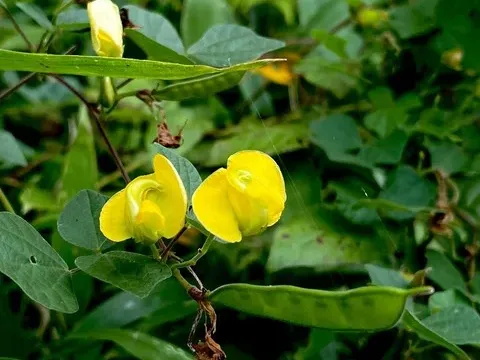
Dunbaria is a genus of perennial herbaceous plants or climbers within the Fabaceae family. Native primarily to tropical and subtropical regions of Asia and Australia, these plants are known for their trifoliate leaves and typical pea-like flowers. In their natural habitat, they are often found climbing over other vegetation in forest edges and open landscapes.
What the section contains


Dunbaria
The cultivation of Dunbaria requires careful attention to its biological cycle. As a tropical legume, it thrives in warm environments. When planning for sowing, it is crucial to ensure that the soil temperature has reached a stable level, ideally above 20 degrees Celsius, to promote rapid germination and early development.
The seeds possess a hard seed coat, making scarification a beneficial pre-sowing practice to ensure uniform emergence. Sowing should be carried out at a depth of 2 to 4 centimeters. Ensuring adequate spacing is vital for these climbing plants, as they require significant space to develop their foliage and reproductive parts effectively.
Row planting is recommended for easier field management and weed control. Since Dunbaria is a climber, providing a trellis or support system can significantly enhance yields and prevent the vegetation from rotting due to contact with damp soil, while also improving airflow through the canopy.
The establishment phase requires careful weed management. Dunbaria seedlings develop at a moderate pace, making them vulnerable to competition during the first weeks. Implementing timely cultivation or mulching techniques ensures that the young plants have sufficient access to light, water, and nutrients needed for vigorous growth.
Dunbaria is strictly a heat-loving crop, flourishing in temperatures between 25 and 30 degrees Celsius. It is highly sensitive to frost and cold snaps, which can cause severe damage to the photosynthetic tissue and stall development. Therefore, its cultivation is largely restricted to tropical and warm-temperate agricultural zones.
The plant performs best in well-drained, fertile soil types, such as loams or sandy loams. Drainage is paramount, as waterlogging is a primary factor in root disease incidence. The pH preference is generally toward neutral soils, as extreme acidity or alkalinity can inhibit the symbiotic nitrogen fixation process.
Water requirements are highest during the flowering and pod-filling stages. While the crop possesses some drought tolerance, consistent moisture availability is necessary to achieve high-quality seed production. Over-irrigation, however, should be avoided to prevent the development of root and collar rot, which are significant risks in humid climates.
As a legume, Dunbaria contributes to soil fertility by fixing atmospheric nitrogen in its roots through symbiotic associations with Rhizobium bacteria. This biological nitrogen fixation is a valuable trait for sustainable farming, reducing the need for synthetic nitrogen fertilizers in subsequent crop rotations.
Dunbaria is a heliophilic plant, meaning it requires abundant sunlight for optimal development. At least 8 hours of direct sun per day is essential for healthy branching and prolific flowering. Shaded conditions lead to weak stems, reduced leaf density, and a significant decrease in final harvest yields.
The crop faces pressure from several common legume pests, particularly seed-feeding beetles and aphids. These insects can cause significant damage to the plant by feeding on leaves, flowers, and developing pods, leading to stunted growth and reduced grain quantity. Integrated pest management strategies are essential for crop protection.
Fungal diseases are a persistent threat, especially in humid or poorly ventilated conditions. Diseases such as anthracnose, rust, and various leaf spots can rapidly spread through the field, causing defoliation and weakening the plants. Regular monitoring and the application of fungicides may be necessary during wet seasons.
Viral infections can be transmitted by insect vectors such as whiteflies or aphids. These diseases often result in systemic symptoms, including leaf mosaic patterns and overall growth retardation. Since curative treatments are unavailable, the focus must remain on controlling the vector populations and using disease-free seed sources.
Bacterial wilt is another challenge, typically entering the plant through mechanical wounds or root damage. Proper field sanitation, such as disinfecting farm machinery and controlling soil-borne pests that create pathways for bacteria, is a standard and necessary practice to prevent localized outbreaks.
Crop rotation serves as the primary cultural method for mitigating pest and disease build-up. By avoiding the continuous cultivation of legumes on the same plot for at least three to four years, farmers can disrupt the life cycles of target pathogens and maintain better control over the agricultural environment.