
Dorycnium pentaphyllum
Dorycnium pentaphyllum
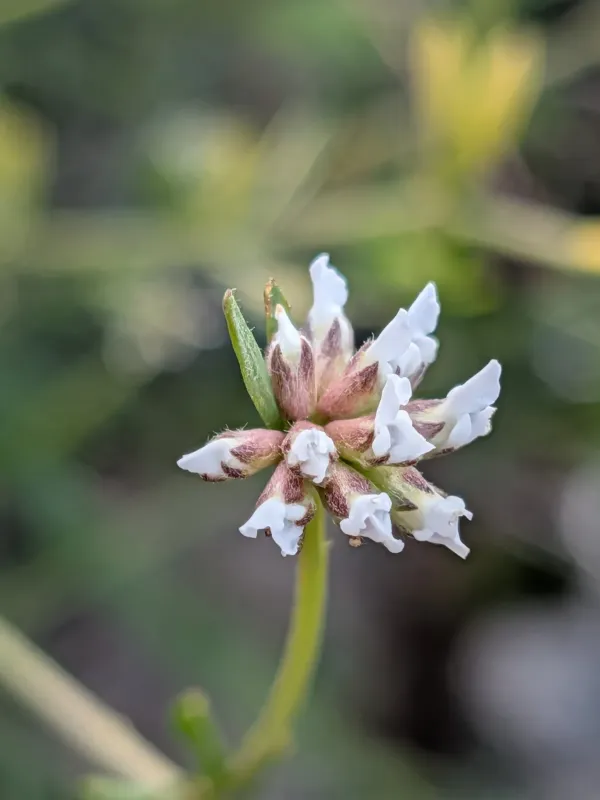
Description
Sowing dates
Dorycnium pentaphyllum is a resilient perennial legume suitable for dry and challenging environments. Sowing is best performed in early spring when soil moisture is sufficient to support germination and initial root establishment.
The seeds of this species may exhibit hard-coat dormancy, so scarification is often recommended before planting. This treatment significantly enhances germination rates and ensures a more uniform plant density across the field.
The seeding rate typically ranges from 8 to 12 kilograms per hectare, depending on the desired plant density and soil conditions. Proper seed-to-soil contact is crucial, with a recommended planting depth of 1-2 centimeters.
Inoculation with compatible Rhizobium strains is highly beneficial, especially in soils lacking the natural nitrogen-fixing bacteria. This practice optimizes the plant's ability to fix atmospheric nitrogen, promoting healthier growth.
Seedlings develop slowly during the first year, making weed control a priority. Ensuring a clean field during this establishment phase allows the plants to develop the deep root system that defines their survival in later years.
Growing requirements
This species is a quintessential xerophyte, perfectly adapted to the Mediterranean climate. It thrives in hot, arid conditions where other forage crops would fail, thanks to its extensive and deep taproot system.
It prefers well-drained, alkaline or calcareous soils but can tolerate a variety of soil textures, including stony or poor-quality ground. Waterlogging is detrimental, so planting should be avoided in low-lying or poorly drained areas.
Sunlight is essential for the healthy development of Dorycnium pentaphyllum. The plant requires open, full-sun exposure to maximize biomass production and maintain its vigorous growth habit throughout the season.
Temperature extremes are generally well tolerated by this plant. It remains active during the heat of the summer and can withstand winter dormancy, resuming growth promptly once temperatures become favorable in spring.
Due to its soil-binding properties, it is frequently utilized for land reclamation, erosion control on slopes, and as a component in vegetation restoration projects for degraded environments.
Yield
Biomass production for Dorycnium pentaphyllum varies based on annual rainfall and soil fertility levels. While it is not as productive as highly subsidized agricultural crops, it offers consistent yields in regions where other species fail.
Average dry matter yields typically range between 3 and 6 tons per hectare per year. These figures can be maintained under moderate grazing or multi-cut harvesting regimes that respect the plant's recovery time.
When used as pasture, the plant provides high-protein forage that is well-liked by livestock, particularly sheep and goats. Its ability to remain green during dry spells provides a reliable nutritional source.
Peak biomass yield is usually achieved between the third and fourth year of establishment. Periodic renewal or overseeding may be necessary to maintain the legume component in older pasture stands.
Sustainable grazing management is essential. Overgrazing can weaken the plant's root reserves, leading to reduced vigor and long-term decline in yield, so rotational grazing is highly recommended.
Main diseases and pests
Dorycnium pentaphyllum is noted for its high natural resistance to many common agricultural diseases. Its hardy nature and phytochemical profile help protect it against common fungal and bacterial pathogens.
Mildew or rust may occasionally occur under conditions of extremely high humidity or poor air circulation. Proper field management, including avoiding overly dense stands, is the best preventative strategy.
While some insect species may feed on the foliage, the plant's rapid recovery capacity typically allows it to withstand such pressures without the need for extensive chemical pesticide application.
Weed competition during the seedling stage remains the most significant threat to the crop. If weeds are not managed, they can crowd out the slow-growing seedlings and jeopardize the entire stand.
General integrated pest management practices are sufficient for this plant, as it is designed for low-input systems where natural balance is preferred over intensive chemical intervention.
Harvesting
Harvesting for hay should ideally occur at the onset of the flowering stage. At this time, the plant offers the optimal balance between high protein content and digestible fiber before the stems become overly lignified.
A cutting height of at least 5-7 centimeters is recommended to ensure that the plant's buds remain intact for regrowth. Cutting too close to the ground can hinder the plant's ability to recover after the harvest.
For seed production, harvesting should be performed when the pods darken, indicating maturity. Careful timing is needed to prevent seed shattering, which can result in significant field losses if the pods burst.
Post-harvest management involves proper drying of the forage, using standard hay-making techniques like raking and turning. This preserves the nutritional value and prevents molding in stored bales.
Effective storage is key to maintaining quality. Keep the harvested material in a dry, ventilated area to ensure it remains a high-value feed supplement for the livestock throughout the winter months.