
German Dorycnium
Dorycnium germanicum
Description
Growing requirements
German Dorycnium (Dorycnium germanicum) is a perennial herbaceous plant belonging to the Fabaceae (legume) family. It is recognized for its potential as a forage crop and a soil-improving plant in various agricultural settings across Central and Southeastern Europe.
The plant is exceptionally drought-tolerant due to its robust and deep-reaching root system. This allows it to thrive in poor, rocky, or dry soils where traditional forage crops often fail to establish or provide a stable biomass yield.
Dorycnium prefers carbonaceous soils with neutral to slightly alkaline pH levels. It exhibits high cold tolerance, making it a reliable candidate for perennial pasture mixtures in regions characterized by harsh winter conditions and seasonal water shortages.
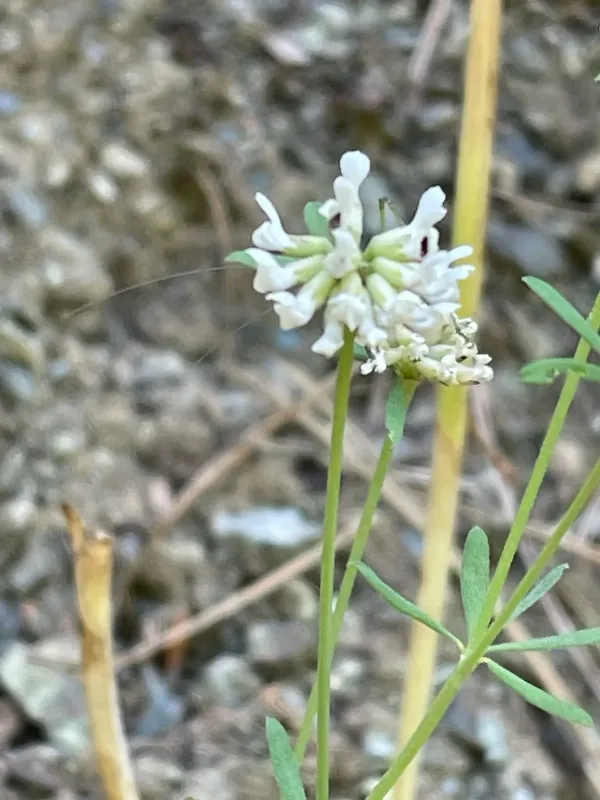
Botanically, it features highly branched stems and compound leaves covered with fine hairs, which help reduce transpiration. The plant produces dense flower heads that are highly attractive to pollinators, contributing positively to local biodiversity.
The agricultural importance of Dorycnium lies in its symbiotic nitrogen-fixing ability. By converting atmospheric nitrogen into a plant-available form, it enriches the soil, improves the fertility of degraded lands, and helps restore exhausted pastures.
Main diseases and pests
Fungal diseases related to high humidity represent the primary threat to the health of Dorycnium crops. Persistent damp conditions, especially in summer, can trigger leaf spots, rust, or powdery mildew, potentially reducing the overall quality of the green biomass.
Common legume pests, such as weevils (Sitona species) and various aphids, can pose a challenge during the early growth stages. These pests may feed on tender foliage and sap, necessitating regular monitoring to prevent significant economic damage to the stand.
Weed competition is a significant factor during the establishment phase, as German Dorycnium grows relatively slowly in its first year. Effective weed management strategies are necessary until the stand becomes dense enough to suppress invasive plant species.
Overgrazing poses a serious risk to the long-term productivity of the crop. Sustainable grazing regimes are required to ensure the plant retains enough energy in its root system to support regrowth in the following season and maintain long-term persistence.
Despite these threats, the plant demonstrates higher overall resistance to systemic diseases compared to conventional alfalfa or clover. This makes it an attractive, low-input alternative for farmers looking to minimize chemical protection in their fields.