
Dorycnium rectum
Dorycnium rectum
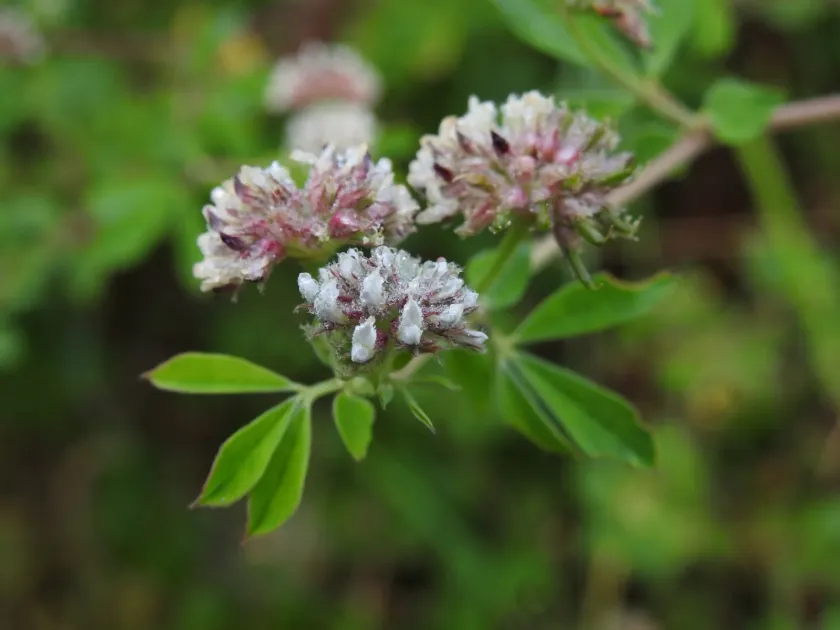
Description
Sowing dates
Planting Dorycnium rectum is best carried out in the spring when soil temperatures consistently reach 10–12 degrees Celsius. Proper seedbed preparation is essential to ensure good soil contact, as the seeds have a hard seed coat that requires optimal moisture for germination.
Scarification of seeds is a recommended practice to improve germination rates and uniformity. This method disrupts the seed coat and allows for faster water uptake, leading to a more successful establishment of the crop stand.
The sowing rate depends on the intended use of the stand. For forage production, row seeding with 15–20 centimeter spacing is standard to allow individual plants enough space to develop a robust root system.
Seed depth should be maintained at 1–2 centimeters. Planting too deep can significantly reduce the energy of emergence, leading to sparse stands that are more susceptible to weed competition during early growth stages.
In regions with mild winters, autumn sowing can be effective, allowing the seeds to benefit from winter moisture. However, this carries risks if the area is prone to sudden, severe freezing temperatures.
Growing requirements
Dorycnium rectum is a member of the Fabaceae (legume) family and functions as a resilient perennial subshrub. It is highly regarded for its ability to thrive in poor, rocky, and saline soil conditions.
The plant prefers sunny locations and well-drained soils. While it exhibits excellent drought tolerance once established, it requires moderate moisture during the seedling phase to ensure the development of a deep root system.
As a legume, it has the ability to fix atmospheric nitrogen through symbiotic relationships with bacteria. This makes it an excellent choice for soil rehabilitation and land reclamation projects.
The optimal temperature for growth ranges between 20–25 degrees Celsius. While it is hardy, it requires protection from severe cold, and deep snow cover is beneficial in regions with harsh winters.
Managing weed competition is critical during the first year of growth. Once the plants reach maturity, they become quite competitive and can suppress most invasive weeds naturally.
Yield
The primary economic use of Dorycnium rectum is as a high-quality forage crop. It provides nutritious green mass that is well-liked by livestock, including sheep, goats, and cattle, especially in arid climates.
Yields vary based on climatic conditions and soil fertility. Under managed conditions, the crop can support multiple harvests per growing season due to its vigorous regrowth capacity.
Seed production is another viable use for the crop. Harvesting seeds provides a reliable source for further expansion of cultivation areas, provided the harvest is timed correctly.
Beyond forage, the plant is valued for its role in soil conservation. Its strong, deep roots help prevent soil erosion on slopes, making it a sustainable choice for rehabilitating degraded landscapes.
- High protein content in forage
- Excellent erosion control properties
- Long-term durability in dry pastures
Main diseases and pests
Fungal diseases, such as leaf spot and powdery mildew, are the primary threats during periods of high humidity. Proper field management and good airflow are essential for prevention.
Various insects, including weevils and aphids, may affect young shoots and flowers. Regular field inspections are necessary to identify any pest populations before they cause economic damage.
Improper grazing management can lead to stand degradation. Overgrazing weakens the plants, making them more susceptible to disease and reducing their competitive edge against weeds.
Waterlogging is a significant risk for this crop. Improving soil drainage or selecting appropriate sites is necessary to prevent root rot and ensure the long-term health of the stand.
Integrated pest management (IPM) strategies, which prioritize natural defenses and sound cultural practices, are recommended over reliance on heavy chemical interventions.
Harvesting
Harvesting for forage should occur at the onset of flowering. This stage ensures the best balance between total biomass production and the nutritional concentration of protein and fiber.
Using modern hay-making equipment helps to retain the nutritional value and aesthetic quality of the forage. Drying should be done efficiently to prevent mold growth and nutrient loss.
Seed harvesting requires careful timing, typically when the pods change color but before they burst. Harvesting during dry, calm weather minimizes seed shattering and harvest losses.
Post-harvest processing involves cleaning and drying the seeds to a safe moisture level. This ensures high viability for storage and future planting operations.
Crop residues can be incorporated into the soil, providing organic matter and residual nitrogen that benefit future planting cycles in the crop rotation scheme.