
Dorycnium strictum
Dorycnium strictum
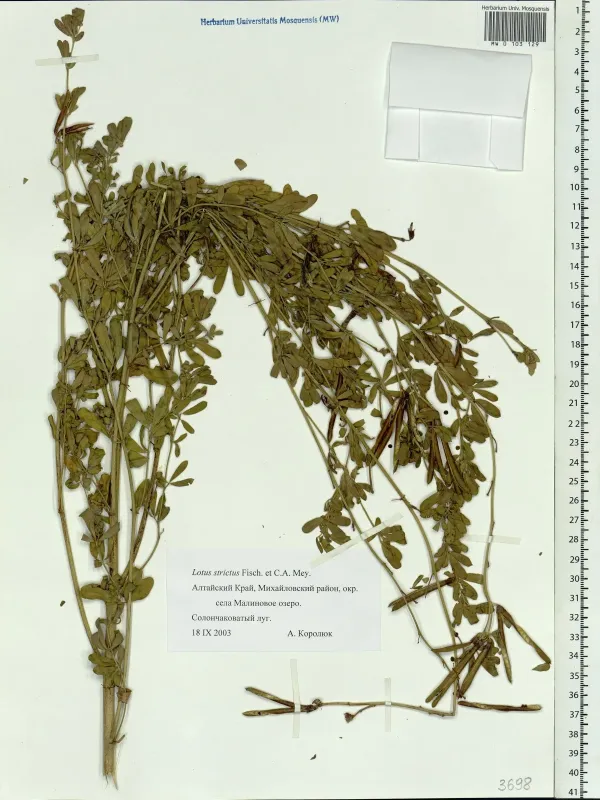
Description
Growing requirements
Dorycnium strictum is a perennial herbaceous plant belonging to the Fabaceae family. This species is recognized for its impressive drought tolerance and ability to thrive in challenging environments where other leguminous crops struggle to survive.
The plant features a deep-reaching root system, enabling it to access moisture and nutrients from subsurface soil layers. Furthermore, its ability to fix atmospheric nitrogen contributes significantly to soil fertility improvement and sustainable land management practices.
Regarding soil requirements, Dorycnium strictum prefers well-drained, neutral to alkaline soils. It is particularly sensitive to waterlogging and poor aeration; therefore, selecting appropriate field topography is crucial for establishing productive stands.
Its natural habitat ranges across Mediterranean-type climates, where it has evolved to withstand long, hot, and dry summers. This environmental adaptation makes it an excellent candidate for restoration projects and permanent pasture development in arid regions.
In terms of agricultural utility, it serves as a protein-rich forage source for livestock, particularly sheep and goats. Its biomass provides a consistent feed source, contributing to the stability of agricultural production in marginal land areas.
Main diseases and pests
The primary pathological threats to Dorycnium strictum are root and crown rot diseases, often exacerbated by stagnant water or poor soil drainage. Maintaining optimal moisture levels is essential to prevent these fungal infections from spreading.
Insect pests, including various species of weevils and aphids, can cause significant damage to foliage and developing buds. Monitoring populations during the peak growth phases is recommended to determine the necessity of targeted interventions.
Integrated pest management strategies are preferred to maintain the ecological balance within the field. This includes the use of certified, disease-free seed and cultural practices that promote vigorous plant growth and natural resistance.
Weed management is particularly critical during the establishment year. As the plant exhibits relatively slow initial growth, protecting it from aggressive weed competition is vital to ensure long-term stand density and productivity.
Soil nutrient imbalances, specifically low levels of essential minerals, can predispose plants to environmental stress. Regular soil testing and, if necessary, localized application of amendments can help maintain a robust and healthy crop.