
Dorycnium gracile
Dorycnium gracile
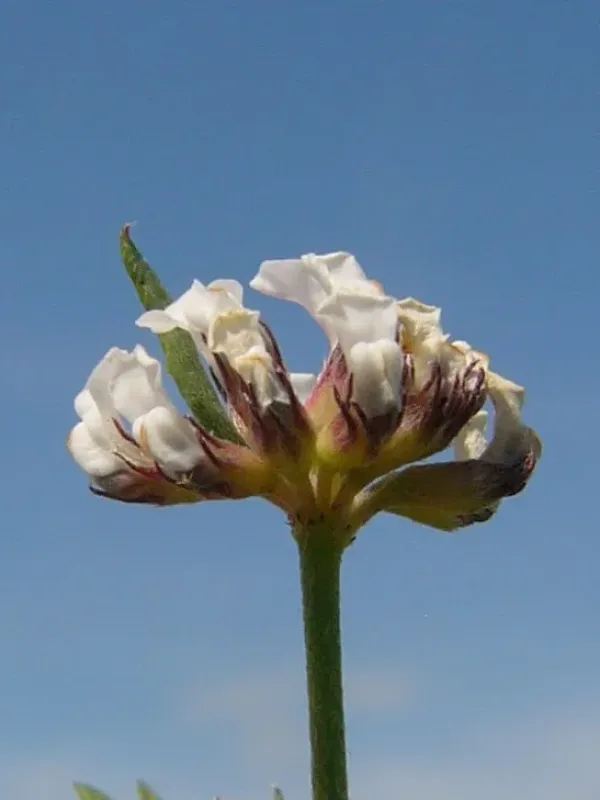
Description
Sowing dates
Sowing Dorycnium gracile is typically performed in the spring season when the soil temperature consistently reaches 10–12 degrees Celsius. Since the seeds possess a hard coat, scarification is often necessary to break dormancy and ensure uniform germination across the field.
The optimal seeding depth is 1 to 2 centimeters. Shallow planting is crucial as the small seeds lack the energy to push through deep soil layers, which could otherwise lead to poor emergence and seedling mortality in the early establishment phase.
Inoculation with specific Rhizobium bacteria is a recommended practice to maximize the legume's nitrogen-fixing potential. This biological synergy is vital for promoting healthy plant growth and reducing the need for synthetic nitrogen fertilizers.
During the first year, the crop invests heavily in developing a robust root system, which results in slower aerial growth. Effective weed management is essential during this establishment period to prevent competition for vital resources like light and water.
A row spacing of 15–20 centimeters is generally maintained, allowing enough space for individual plants to develop while ensuring adequate ground coverage to suppress potential invasive weeds.
Growing requirements
As a member of the Fabaceae family, Dorycnium gracile is characterized by remarkable adaptability to harsh environments. It thrives in full sunlight, as even partial shade can significantly reduce its photosynthetic efficiency and overall vigor.
The plant is highly drought-tolerant, making it an excellent candidate for degraded, stony, or sandy soils where other legumes struggle to survive. It can tolerate a wide pH range, showing resilience in both neutral and slightly alkaline conditions.
Dorycnium gracile requires well-drained soil, as it is highly sensitive to waterlogging. Excessive moisture can lead to root rot and other fungal diseases that rapidly compromise the health and productivity of the entire stand.
The crop prefers Mediterranean-like climates with mild winters and warm summers. While it shows some resistance to frost, it performs best in regions where extreme temperature fluctuations are minimized during the growing season.
Strategic fertilization, particularly with phosphorus and potassium, enhances the root development and immunity of the crop, enabling it to withstand environmental stresses more effectively over long periods.
Yield
The biomass yield of Dorycnium gracile reaches its peak potential during the second and third years of establishment. It is highly valued for its nutritional profile, providing a high-protein feed source that is essential for livestock nutrition.
The crop can be harvested for hay or used as high-quality grazing material. Its ability to regrow quickly after cutting allows for multiple harvests throughout the season, provided that moisture levels are managed correctly.
Yields vary depending on soil fertility and climate, with well-maintained stands producing significant amounts of dry matter. Even under limited water conditions, the crop maintains its quality, making it a reliable option for arid regions.
Seed production is another vital aspect of its cultivation. Harvest must be timed precisely when the pods turn dark and hard to prevent excessive shattering losses in the field, which is common in many leguminous species.
Beyond its forage utility, Dorycnium gracile serves as a valuable nectar source for bees and other pollinators, which helps support the overall ecological balance and biodiversity within the agricultural landscape.
Main diseases and pests
The most significant threat to Dorycnium gracile stands is moisture excess, which creates an environment conducive to root rot pathogens. Preventing poor drainage and maintaining proper spacing are the best cultural control measures.
Insects like weevils can damage foliage and developing flower buds, negatively impacting both biomass and seed yield. Integrated pest management strategies, focusing on monitoring and biological control, are preferred over broad-spectrum pesticide use.
Powdery mildew can manifest in conditions with high humidity and stagnant air. Maintaining open stands and good airflow is key to preventing the spread of such fungal infections throughout the crop.
Weed management is mainly critical during the seedling stage. Once the plants are established, the dense root system and foliage allow the crop to compete effectively and naturally suppress most unwanted vegetation.
Regular field scouting is essential to identify early signs of nutrient imbalances or pest infestations, allowing for timely interventions that can prevent yield loss and ensure the longevity of the plant stand.
Harvesting
For high-quality hay, the crop should be harvested at the full blooming stage when nutrient concentration is at its highest. Rapid drying in windrows is necessary to preserve the protein content and prevent degradation of the forage.
When used for pasture, rotational grazing is recommended to ensure plants have adequate rest periods. This practice promotes the recovery of the vegetative biomass and extends the life of the field significantly.
Seed harvesting requires specialized equipment adjusted for small-seeded crops. Gentle threshing is necessary to avoid damaging the seeds, and moisture content must be below 12 percent for safe, long-term storage.
Post-harvest storage should take place in cool, dry, and well-ventilated areas to prevent mold growth. Proper storage practices ensure that seed viability remains high for the next planting season.
Incorporating crop residues into the soil after harvest acts as a green manure, improving soil structure and nitrogen availability for subsequent crops in the rotation cycle.